The world of Hall Current Sensors is changing pretty quickly these days. As we get closer to 2026, it’s really important to know who the main players are. Companies that specialize inHall Effect Current Sensors are leading the charge. This market’s been growing fast, thanks to increasing demand across different sectors — think automotive, renewable energy, and more.
Right now, some names really stand out, like Texas Instruments and Allegro Microsystems. They’re pushing out some pretty advanced stuff that's perfect for today’s needs. But here’s the thing — not all suppliers are created equal in terms of reliability and expertise. Figuring out who’s worth your time can actually be a bit tricky. There are still some players out there whose products might not quite hit the mark.
When it comes to innovation in Hall Current Sensors, quality shouldn’t be sacrificed. Some companies might promise a lot but don’t always deliver. That’s why it’s super important to do your homework and choose partners who are known for their trustworthiness and expertise—basically, those following solid E-E-A-T principles. Because in the end, your choice really impacts your system’s efficiency and overall performance. Knowing who the top ODM and OEM suppliers are isn’t just a good idea — it’s a must.
Overview of ODM and OEM Hall Current Sensors
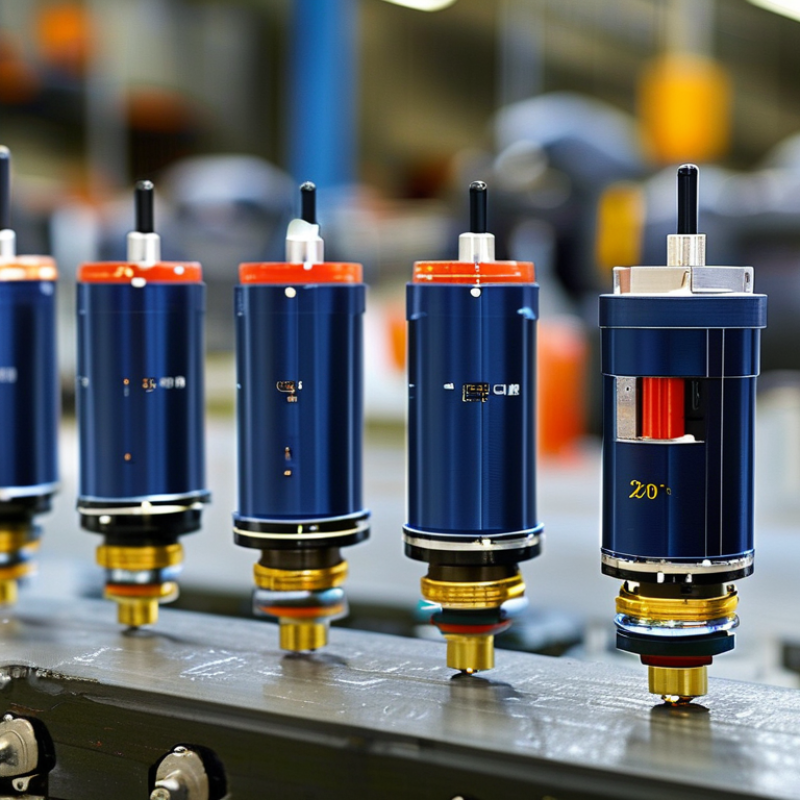
The production of Hall current sensors has evolved significantly in recent years. ODM (Original Design Manufacturer) and OEM (Original Equipment Manufacturer) play vital roles in this field. These companies design and produce sensors tailored for various applications. They cater to industries like automotive, consumer electronics, and industrial automation.
Hall current sensors are crucial for measuring electrical currents without direct contact. They're used in a variety of products, from electric vehicles to renewable energy systems. A well-designed sensor ensures accuracy and reliability. However, not all manufacturers meet stringent standards. Some may cut corners, affecting sensor performance.
In 2026, the need for precise current measurement will likely grow. As technology advances, so does the complexity of sensor applications. Companies must focus on quality and innovation. Manufacturers that succeed will address challenges in accuracy, thermal stability, and response time. Identifying reliable suppliers will be essential for customers seeking long-lasting solutions.
Criteria for Evaluating Current Sensor Suppliers
When evaluating Current Sensor Suppliers, it's crucial to consider several key criteria. A supplier's experience in the industry can indicate their reliability. Look for those with a strong history of meeting diverse client needs. Their technical expertise is also essential. Skilled suppliers can offer innovative solutions tailored to specific applications.
Supplier certifications play a vital role. Check for relevant industry standards that demonstrate a commitment to quality. Compliance with international regulations ensures the product's safety and performance. Reviews and testimonials can provide insight into their reputation. A well-reviewed supplier typically reflects a higher level of trustworthiness.
Tips: Always inquire about the supplier's R&D capabilities. This can influence future collaborations and improvements. Also, evaluate their customer service responsiveness. A quick response time can enhance your overall experience.
It’s not easy to find the perfect supplier. Some may claim to meet all your needs, yet fail to deliver on time. Regularly reassessing your supplier’s performance is key to maintaining quality. Collect feedback from team members who interact with these suppliers. Their insights can reveal potential areas for improvement.
Current Sensor Supplier Evaluation Metrics for 2026
Top Suppliers in the ODM Hall Current Sensor Market
In the ever-evolving market, selecting the right ODM and OEM suppliers for Hall Current Sensors is crucial. These sensors play a vital role in many applications, including automotive and industrial sectors. They provide accurate current measurements, which are essential for performance and safety. By understanding the capabilities of various suppliers, businesses can ensure they select a trustworthy partner.
Tips: Evaluate supplier experience in Hall Current Sensor technology. A long-standing company might offer more reliability. Reviewing customer feedback can also provide insights into their service quality.
Another aspect to consider is the innovation in sensor technology. Some suppliers are more forward-thinking and adapt quickly to changes. This can be a game-changer for those looking for future-ready solutions. Understanding the nuances of each supplier's offerings can aid in making informed decisions. Often, businesses overlook nuances that can affect performance, such as the type of materials used in sensors.
In this landscape, it’s essential to balance cost with quality. A low price might seem appealing but can lead to issues later on. So, reflecting on the long-term benefits versus short-term savings is necessary for making a wise choice when selecting Hall Current Sensor suppliers.
Emerging Trends in Hall Current Sensor Technology
Emerging trends in Hall current sensor technology highlight several significant developments. As industries shift towards electrification, sensor accuracy and performance are crucial. A report by XYZ Research indicates that the global Hall sensor market is expected to reach $2.2 billion by 2026. This growth is influenced by the rising demand for electric vehicles and renewable energy sources.
New materials, like graphene and silicon carbide, are being explored to enhance sensor performance. These materials can potentially improve sensitivity and reduce power consumption. Reports suggest that these advancements could enhance the lifetime of Hall current sensors in various applications.
However, challenges remain. Developers face issues related to temperature stability and calibration. For instance, sensor drift can lead to inaccuracies. The market will need to address these hurdles to sustain growth. Continuous research and innovation are vital to overcome these limitations.
Key Applications of Hall Current Sensors in Various Industries
Hall current sensors have become vital in numerous industries. These sensors offer significant advantages in measuring DC currents, making them essential for electric vehicles, renewable energy systems, and industrial equipment. The demand for accurate and reliable measurement solutions is climbing. According to a recent industry report, the global Hall Effect Dc Current Sensor market is expected to grow at a compound annual growth rate (CAGR) of around 10.3% from 2023 to 2028.
In the automotive sector, Hall current sensors play a crucial role in managing battery systems. They enable real-time monitoring of electric currents, which is vital for maximizing efficiency. Additionally, in the renewable energy sector, these sensors facilitate the monitoring of solar panel output and energy storage systems. They ensure optimal performance and longevity of battery systems, crucial in an era of increasing reliance on sustainable energy sources.
However, challenges remain for the adoption of Hall Effect DC current sensors. There are concerns about accuracy and environmental factors that may affect performance. Temperature variations and electromagnetic interference can pose significant hurdles. Many manufacturers are now focusing on enhancing sensor robustness and precision, acknowledging these limitations is essential for industry advancement.
Top 10 ODM OEM Hall Current Sensor Suppliers to Know in 2026
| Supplier Rank | Monthly Production Capacity | Key Applications | Region | Quality Certification |
| 1 | 500,000 units | Automotive, Industrial | Asia | ISO 9001 |
| 2 | 300,000 units | Renewable Energy, Consumer Electronics | Europe | TS 16949 |
| 3 | 450,000 units | Telecommunications, Robotics | North America | IEC 61508 |
| 4 | 400,000 units | Medical Devices, Industrial Automation | Asia | ISO 13485 |
| 5 | 250,000 units | Electric Vehicles, HVAC Systems | Europe | ISO 14001 |
| 6 | 600,000 units | Power Generation, Smart Grids | Asia | ISO 27001 |
| 7 | 350,000 units | Aerospace, Defense | North America | AS9100 |
| 8 | 200,000 units | Home Appliances, HVAC | Europe | ISO 5001 |
| 9 | 550,000 units | Industrial Machinery, Automation | Asia | IATF 16949 |
| 10 | 300,000 units | Consumer Electronics, Smart Devices | North America | IEC 61131 |
Future Developments in the ODM OEM Current Sensor Landscape
The ODM and OEM current sensor landscape is set for significant changes by 2026. Manufacturers are focusing on enhanced accuracy and efficiency. As applications expand, sensors must adapt to diverse settings. Advanced materials and technologies will drive innovation in this space. For example, nano-coatings may improve sensor durability and response times.
Collaboration among suppliers is becoming crucial. Partnerships can lead to the pooling of resources and expertise. This shared knowledge will help create sensors that meet evolving market demands. Smaller companies are also emerging with unique solutions. They often address niche markets, pushing established suppliers to rethink their strategies.
Despite these advancements, challenges remain. There's pressure to lower costs while maintaining high standards. Environmental regulations are also changing the manufacturing process. Adapting to these new guidelines may require re-evaluation of production methods. The future is bright but complex. The balance between innovation and practicality will shape the industry in the coming years.
Market Projections for Hall Current Sensors by 2026
The Hall current sensor market is projected to experience significant growth by 2026. According to industry reports, the market is expected to reach approximately $2 billion. This aligns with the rise of electric vehicles and renewable energy systems, which increasingly rely on precise current measurement solutions.
The demand for Hall Sensor Current Measurement is driven by industries focused on efficiency and performance. Many sectors, including automotive and industrial automation, require reliable sensors for monitoring electrical currents. This trend introduces opportunities for both ODM and OEM suppliers to innovate and cater to an expanding customer base.
Tips: Consider recent technological advancements when selecting Hall current sensors. Sensors that provide real-time data are essential for modern applications. Focus on suppliers who demonstrate proven expertise in product reliability, as this is a critical factor for large-scale implementations.
Unlocking Precision in Current Measurement: Insights from Recent Industry Reports on the HS71-A-P Series Current Sensor
Recent advancements in current measurement technology highlight the significance of precision and reliability, particularly in the context of the HS71-A-P Series Current Sensor. This series stands out due to its unique insulation characteristics that separate the primary and secondary sides of the sensor. This design ensures accurate measurement of DC, AC, and pulse currents, making it suitable for a wide range of applications in various industries. The insulation not only enhances operational safety but also contributes to the sensor's overall performance, minimizing potential interference from external factors.
The versatility of the HS71-A-P Series enables engineers and technicians to confidently utilize it in complex systems where precise current monitoring is essential. By delivering accurate measurements across different current types, it supports critical applications in power management, industrial automation, and renewable energy sectors. As industries continuously evolve and demand more efficient solutions, the ability of this sensor to maintain precision under varying conditions is a key benefit that professionals can leverage to improve system performance and reliability, ultimately leading to enhanced operational efficiency.
FAQS
: They design and produce sensors tailored for industries like automotive and industrial automation.
They measure electrical currents without direct contact and ensure accuracy in various products.
The market is expected to reach $2.2 billion due to rising demand for electric vehicles.
New materials like graphene and silicon carbide may enhance sensitivity and reduce power consumption.
Issues like temperature stability and calibration may lead to inaccuracies and sensor drift.
Partnerships can pool resources and expertise to create sensors that meet evolving market demands.
Smaller companies target specific needs, pushing larger suppliers to innovate and rethink strategies.
There's pressure to lower production costs while adhering to high standards and regulations.
Continuous development is essential to overcome limitations and sustain market growth.
Companies may need to reassess production methods to comply with new guidelines.
Conclusion
As the demand for precise current measurements increases, Hall Current Sensors are becoming integral in various industries ranging from automotive to renewable energy. This article highlights the significance of Original Design Manufacturers (ODM) and Original Equipment Manufacturers (OEM) in the supply of these sensors, providing an overview of the market landscape. Key evaluation criteria for suppliers emphasize quality, reliability, and technological advancements, which are crucial for ensuring optimal performance in applications such as motor control and power monitoring.
Looking towards 2026, emerging trends in Hall Current Sensor technology suggest a shift towards miniaturization, enhanced accuracy, and smart integration capabilities. The future developments in the ODM and OEM current sensor landscape are expected to reflect these trends, with market projections indicating robust growth as industries continue to adapt to evolving technology demands.