You know, in the fast-changing world of energy efficiency and sleek design, Toroidal Transformers have really shaken things up when it comes to power supplies. Their unique doughnut shape isn’t just a cool look — it actually helps cut down electromagnetic interference and boosts energy efficiency compared to those traditional laminated transformers we’re all used to. And get this, a recent report from Grand View Research? It predicts the global transformer market hitting around $70 billion by 2025. That's mainly thanks to new innovations in power electronics and more and more people looking for smarter, energy-saving solutions.
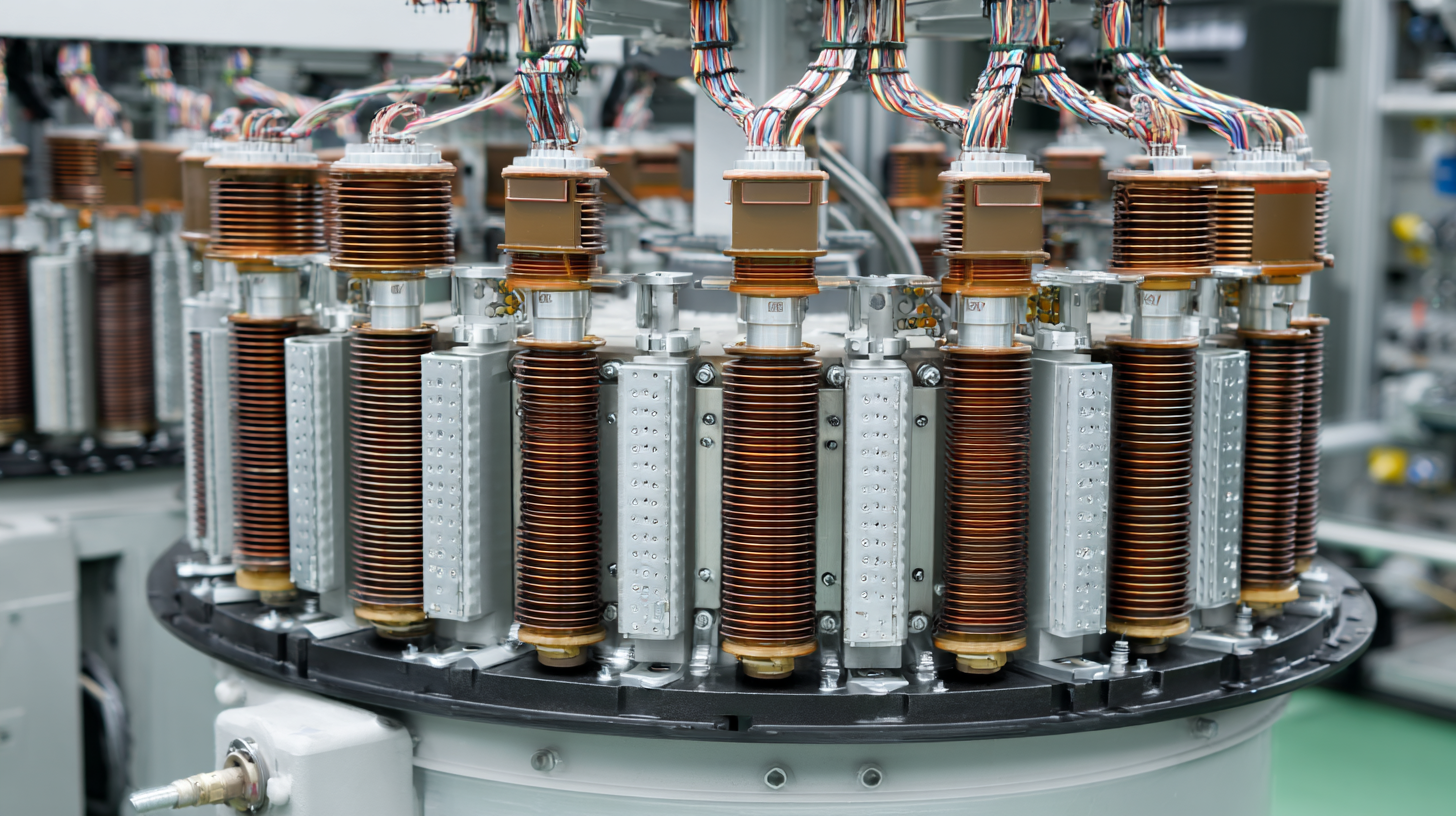
Over here at Beijing TransFar Electronics Group, we’re proud to lead the way in developing new energy tech. Incorporating Toroidal Transformersinto our latest energy Reactors and high-precision electromagnetic parts really shows how committed we are to making power systems moreefficient and saving space in different applications. Plus, with electric vehicles and smart grid tech gaining traction like crazy, these transformers are more important than ever for making sure everything runs smoothly and sustainably.
Benefits of Toroidal Transformers in Modern Electrical Systems
Lately, toroidal transformers are really gaining traction in modern electrical setups, and honestly, it’s easy to see why. They pack some serious advantages – mainly in terms of power efficiency and how compact they can be. Unlike those older laminated transformers, toroidal ones are built with a continuous ring of magnetic material, which helps cut down on energy losses. I read somewhere that, according to the IEEE, these transformers can hit efficiency levels over 95%. That’s a big deal because it means lower energy bills, less heat, and generally better performance. This is especially important for stuff like renewable energy systems or high-end audio gear, where every bit of efficiency counts.
Key Design Features of Toroidal Transformers That Enhance Efficiency
You know, toroidal transformers are really starting to catch on in the electrical engineering world. People love them because of their cool, round design that boosts efficiency and also takes up less space. Unlike the usual transformers with straight cores, these guys use a circular core, which helps cut down on electromagnetic interference and makes the whole thing way more compact. That means they lose less energy when they're running, so they actually use power more efficiently. It’s no surprise then that the global market for these transformers is expected to grow from around USD 680 million in 2025 to over USD 1.09 billion by 2032—pretty impressive, right? That's roughly a 7% annual growth rate making it a hot area right now.
What makes toroidal transformers stand out? Well, for starters, they’re better at dissipating heat, which is super important. Plus, their core design can be customized quite a bit, depending on what you need. Because there are no air gaps in the core, magnetic leakage is minimized, which boosts their performance and makes them more reliable overall. Also, the way their windings are done helps cut down on energy losses from eddy currents and hysteresis. All these little innovations mean manufacturers can not only use energy more smartly but also meet the rising demand for smaller, more compact power solutions in all kinds of applications.
Understanding Toroidal Transformers: Revolutionizing Power Efficiency and Space Savings - Key Design Features of Toroidal Transformers That Enhance Efficiency
| Feature | Description | Benefits | Efficiency (%) |
| Core Material | High permeability materials are used to reduce energy losses. | Improves power factor and reduces heat generation. | 90-95% |
| Shape | Circular design allows for more uniform magnetic fields. | Minimizes electromagnetic interference (EMI). | 95% |
| Winding Techniques | Utilizes single-layer winding for enhanced induction. | Lowers resistance and improves thermal dissipation. | 92% |
| Size | Compact design saves physical space. | Ideal for applications with limited space. | Variable based on application |
| Cooling Mechanism | Enhanced cooling features to manage heat dissipation. | Improves longevity and operational stability. | 95% |
Comparative Analysis of Toroidal vs. Traditional Transformers
The global power transformer scene is really going through some big changes these days. You might have heard about toroidal transformers making waves—they're catching attention because they’re more efficient and way more compact compared to the usual ones. Recent industry reports show that the market for these toroidal power transformers is expected to jump from around $680 million in 2025 to roughly $1.1 billion by 2032. That’s a solid growth rate of about 7% annually! What’s driving this surge? Well, these transformers tend to outperform traditional types by cutting down energy loss, being lighter, and taking up less space.
You see, the cool thing about toroidal transformers is their donut-shaped core, which really helps cut electromagnetic interference and boosts overall performance. Their design results in fewer stray losses and higher efficiency—perfect when space is tight or energy savings really matter. Plus, they’re lighter, meaning easier to install and fit into different systems. This is especially handy in industries where every inch of space counts.
A little tip—when you’re choosing a transformer, don’t just look at the upfront cost. Think about the long-term savings from lower energy bills. Also, check out how much room you’ve got for setup, because toroidal ones shine in small or crowded spaces. And of course, think ahead—making sure your choice can grow with your future needs is always a smart move, especially with demand for efficient power solutions only going up worldwide.
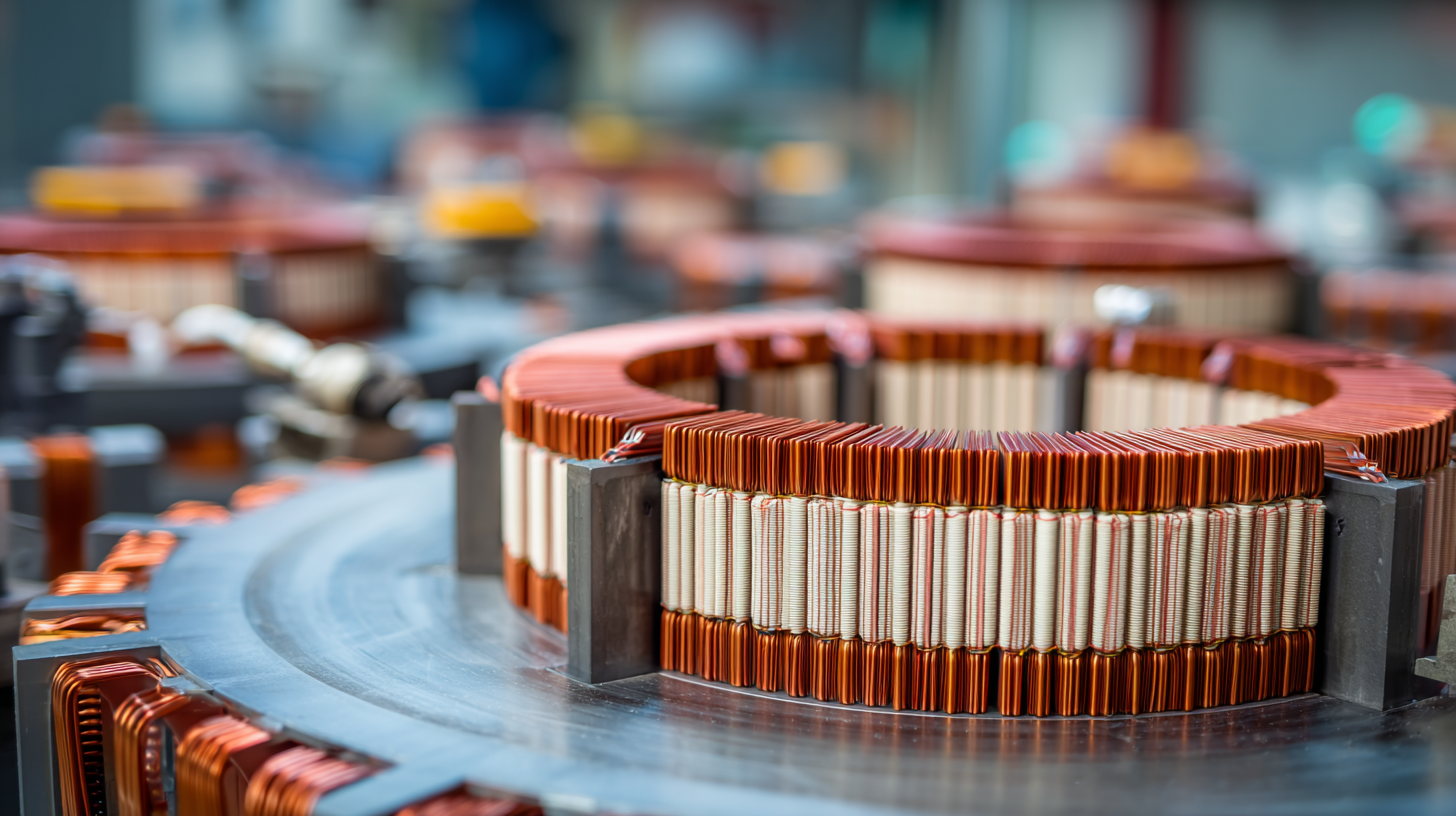
Practical Applications of Toroidal Transformers in Industries
You know, toroidal transformers are really starting to make waves across different industries lately. People are loving them because they're more efficient with power and take up way less space. In fact, the market for these guys is expected to grow from around $680 million in 2025 all the way up to over $1.09 billion by 2032 — that’s a solid 7% annual growth rate! It’s pretty clear that demand is climbing, especially in areas where saving space and energy is a big deal, like renewable energy setups, electric vehicles, and high-precision electronics.
In real-world terms, industries using toroidal transformers are seeing some pretty notable benefits. They perform better overall, helping cut down on energy use and reducing electromagnetic interference, which is a big plus. That’s why they’re often the go-to choice for modern energy solutions, especially those big projects that need high-efficiency current and voltage sensors. Companies like Beijing TransFar Electronics Group Co., Ltd., who are really into energy solutions, are already including toroidal transformers in their product lines — it’s all about staying sustainable and meeting today’s energy demands.
Oh, and a little tip if you're thinking about using them: make sure to check your specific power needs and see if they fit well with your current systems. Also, it’s worth picking suppliers who focus on quality design and manufacturing — that way, you get the most out of your investment in the long run. Switching to toroidal transformers could seriously boost your performance and even save you space and operating costs. Not too shabby, right?
Factors to Consider When Selecting a Toroidal Transformer
When you're choosing a toroidal transformer, there are a few key things you'll want to keep in mind to make sure it works well and stays efficient. First off, the power rating is super important—make sure it matches what your project actually needs. It’s a good idea to get a handle on the kind of loads your setup will handle, whether it’s running at regular or peak levels. That way, you’re making a smarter choice.
Tips: Don't forget to think ahead—if you might need to upgrade or expand later, it’s better to go a little bigger on the power just to avoid overheating or burnout down the line.
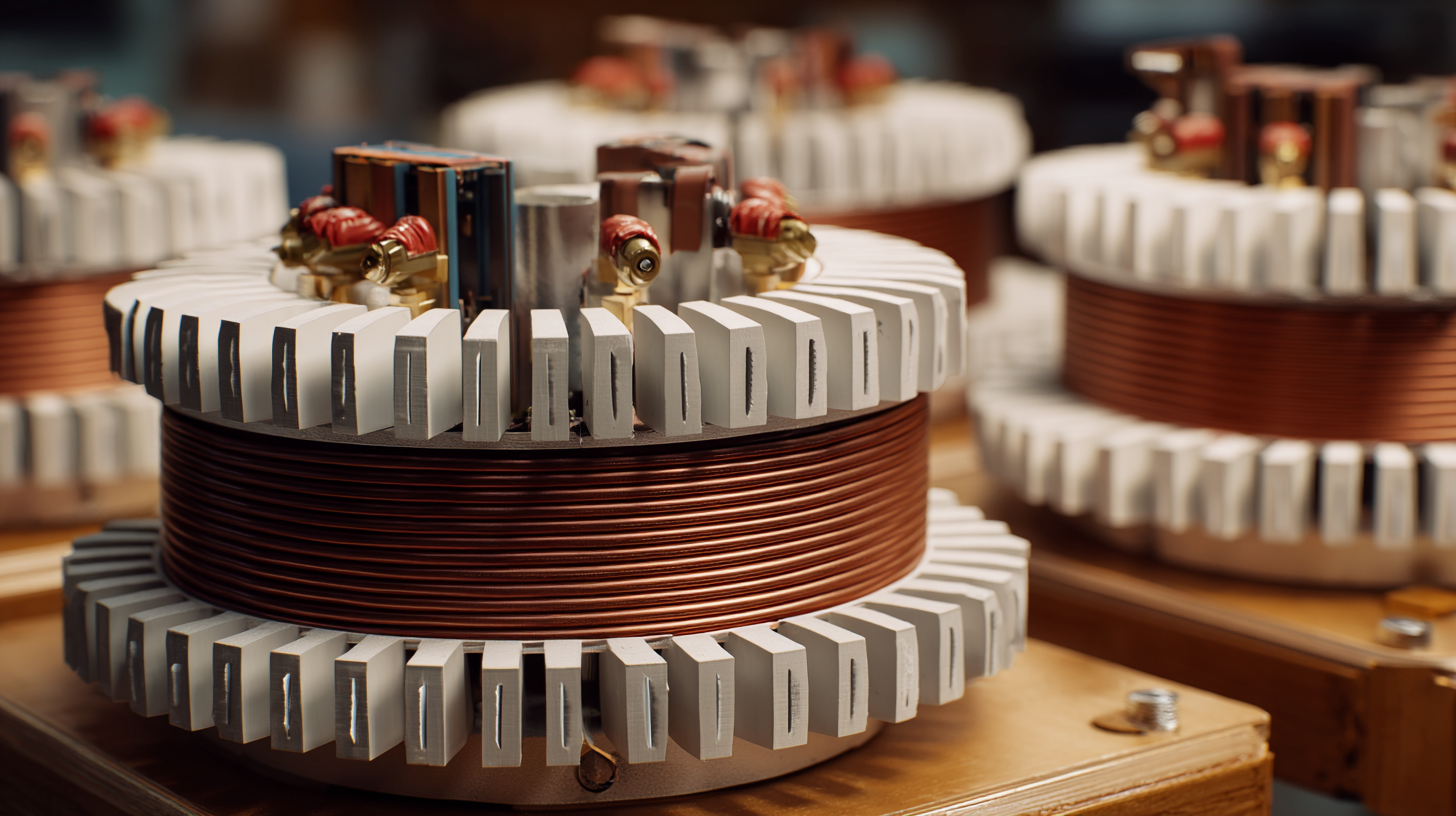 Next, take a look at the core material and design. Toroidal transformers are known for low electromagnetic noise and less energy loss, but choosing the right core makes a big difference. Materials with high saturation flux density can boost efficiency, especially if you're working with higher power levels.
Tips: Do your homework—pick a core material that not only meets efficiency standards but also stands up well to heat and mechanical stress, especially in tough environments.
And finally, think about how big and heavy the thing is. Smaller, lightweight designs are a pretty big plus because they’re easier to fit into tight spaces—perfect for modern electronic projects.
Tips: Make sure to measure your space carefully before buying so there are no surprises when you go to install it. No one likes finding out their transformer doesn’t quite fit!
All in all, paying attention to these little details will save you a lot of headaches later on and help you pick the right transformer for your needs.
Best Practices for Installing and Maintaining Toroidal Transformers
When you're installing and taking care of toroidal transformers, it’s really important to follow some best practices — it’s the best way to get the most out of them and make sure they last long. For starters, always try to mount the transformer on a stable, vibration-free surface. Trust me, it makes a big difference — it keeps things running smoothly and helps prevent mechanical stress that could cause it to fail early. If you want to go the extra mile, using some isolation pads can really help dampen any vibrations and keep the transformer running stably.
Another thing is regular maintenance. It’s a good idea to check the transformer from time to time for any signs of wear or damage, especially around the insulation and connections. Keeping it clean — dust and debris can mess with airflow and lead to overheating — so give it a quick wipe down now and then. Also, make sure all connections are tight; loose wires can cause power issues and cut down on efficiency.
And don’t forget — always refer to the manufacturer’s instructions for specific installation tips and maintenance schedules. Sticking to these simple practices not only helps your transformer work efficiently but also extends its life, so it’s definitely worth the effort in the long run.
Understanding Toroidal Transformers: Power Efficiency vs. Traditional Transformers
Comparing the efficiency of toroidal transformers to traditional transformers reveals significant advantages in power efficiency and space savings. Below is a chart showcasing the efficiency ratings of various transformer types across different load levels.
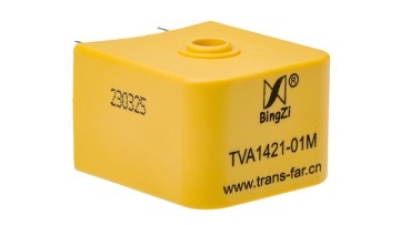
Transforming Precision: Unveiling the TVA1421 Series Miniature AC Voltage and Current Transformers
The TVA1421 Series Miniature AC Voltage and Current Transformers represent a significant advancement in the field of electrical measurements, particularly with the TVA1421-01 model that epitomizes versatility and precision. Specifically designed for integration into printed circuit boards, it features a vertical through-core structure that streamlines installation processes, minimizing space while maximizing efficiency. This transformer is capable of measuring AC voltage from 0 to 1000V and can handle AC current up to 20A, highlighting its flexibility in application across various industries.
Industry reports suggest that the demand for compact and efficient voltage and current measurement solutions is on the rise, driven by the growth of renewable energy systems and advancements in smart grid technologies. According to a recent market analysis, the global transformer market is expected to witness a CAGR of over 6% in the coming years, underscoring the growing importance of precision instruments like the TVA1421. The ability to achieve multiple transformation ratios further amplifies its appeal, making it a preferred choice for engineers and developers seeking robust measurement tools in their designs.
Furthermore, the TVA1421-01's unique design encourages integration into various electronic systems, from industrial automation to consumer electronics. As technological innovations continue to evolve, the need for precise and compact measurement devices is critical. The TVA1421 Series positions itself as an essential component in this rapidly changing landscape, ensuring accurate measurements that drive efficiency and performance in electrical applications.
FAQS
: Toroidal transformers are compact and efficient power devices that have gained popularity in various industries due to their superior power efficiency, minimal electromagnetic interference, and space-saving design. They are particularly favored in sectors like renewable energy systems, electric vehicles, and precision electronic devices.
The global toroidal transformer market is projected to grow from $680.74 million in 2025 to $1.09544 billion by 2032, reflecting a compound annual growth rate of 7.03%.
When selecting a toroidal transformer, consider the power rating, core material and design, and its physical dimensions and weight. Ensure the power rating aligns with your specific application and take future expansion into account.
The core material is vital as it can significantly affect the transformer's efficiency and performance. Using high-saturation flux density materials can enhance efficiency, particularly in high-power applications by reducing energy losses and electromagnetic interference.
Best practices for installation include mounting the transformer on a stable and vibration-free surface, using isolation pads to dampen vibrations, and ensuring proper alignment and connection.
Regular maintenance includes inspecting for wear or damage, keeping it clean of dust and debris, checking connections for tightness, and referring to the manufacturer's guidelines for specific maintenance schedules.
To prevent overheating, frequently clean the transformer to ensure proper airflow, check for any signs of damage, and maintain tight electrical connections to avoid power loss.
The compact design of toroidal transformers allows for significant space savings in modern electronic systems, making them ideal for applications with strict space constraints without compromising on performance.
Conclusion
You know, toroidal transformers are really starting to make a big splash in modern electrical setups. They bring some pretty awesome perks like better power efficiency and saving space—because, let’s be honest, that’s always a win. What makes them stand out is their unique, donut-shaped core, which helps cut down on energy losses and electromagnetic noise compared to the old-school transformers we’re used to. This kind of design gives them a clear edge, especially in industries where saving space and being efficient is a big deal.
But, when you're choosing a toroidal transformer, it’s not just about picking any. You’ve gotta think about your power needs, how you’re going to install it, and even some maintenance tips to make sure it lasts and keeps performing well. Companies like Beijing TransFar Electronics Group Co., Ltd. are really leading the charge here—they’re not only trying to innovate but also specializing in building these advanced electronic parts to keep up with the growing energy demands. So, yeah, they’re kind of paving the way for smarter, more efficient electronics, and it’s pretty exciting to see where it’s headed.