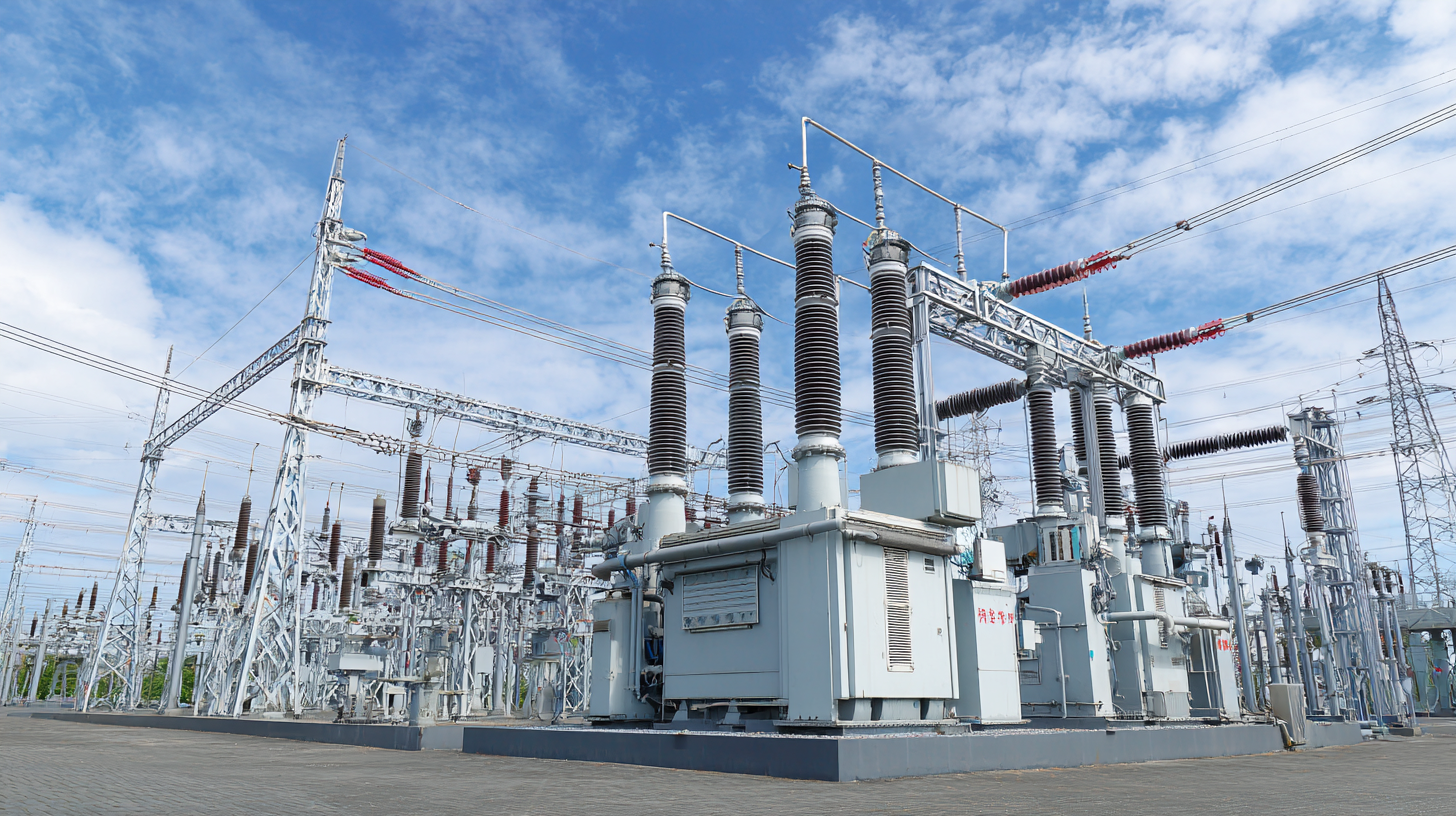
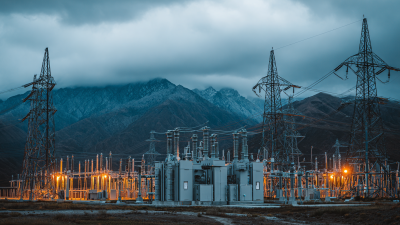
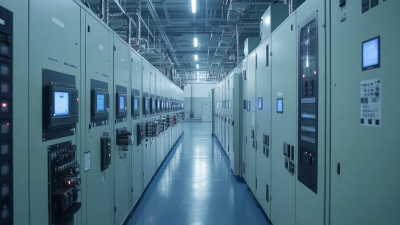
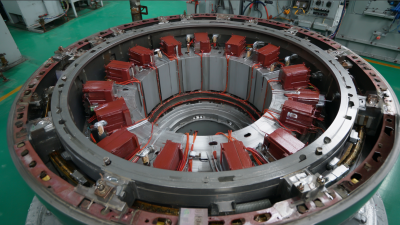
You know, as our modern electrical grids become more demanding for reliable and efficient energy distribution, the importance of Transformers for power really can't be overstated. With the whole shift towards renewable energy around the globe, we’re now looking at a big need for smarter transformers that can handle changing loads and connect all sorts of energy sources.
A recent report from the International Energy Agency highlights this shift—by 2030, investments in renewable energy are expected to top $2 trillion a year! That’s a huge number, and it just shows how much we’ll need solid infrastructure and top-notch equipment.
Companies like Beijing TransFar Electronics Group Co., Ltd. are really stepping up here. They’re this high-tech company focused on designing and making innovative energy solutions, including new energy sensors and specialized transformers. These not only help make our power systems more reliable and efficient but also support a sustainable energy future.
Putting advanced transformers into the mix isn’t just about keeping the grid stable — it’s also a big part of helping us adopt cleaner, greener tech on a larger scale.
Transformers in Modern Electrical Grids: An Overview of Functions and Benefits
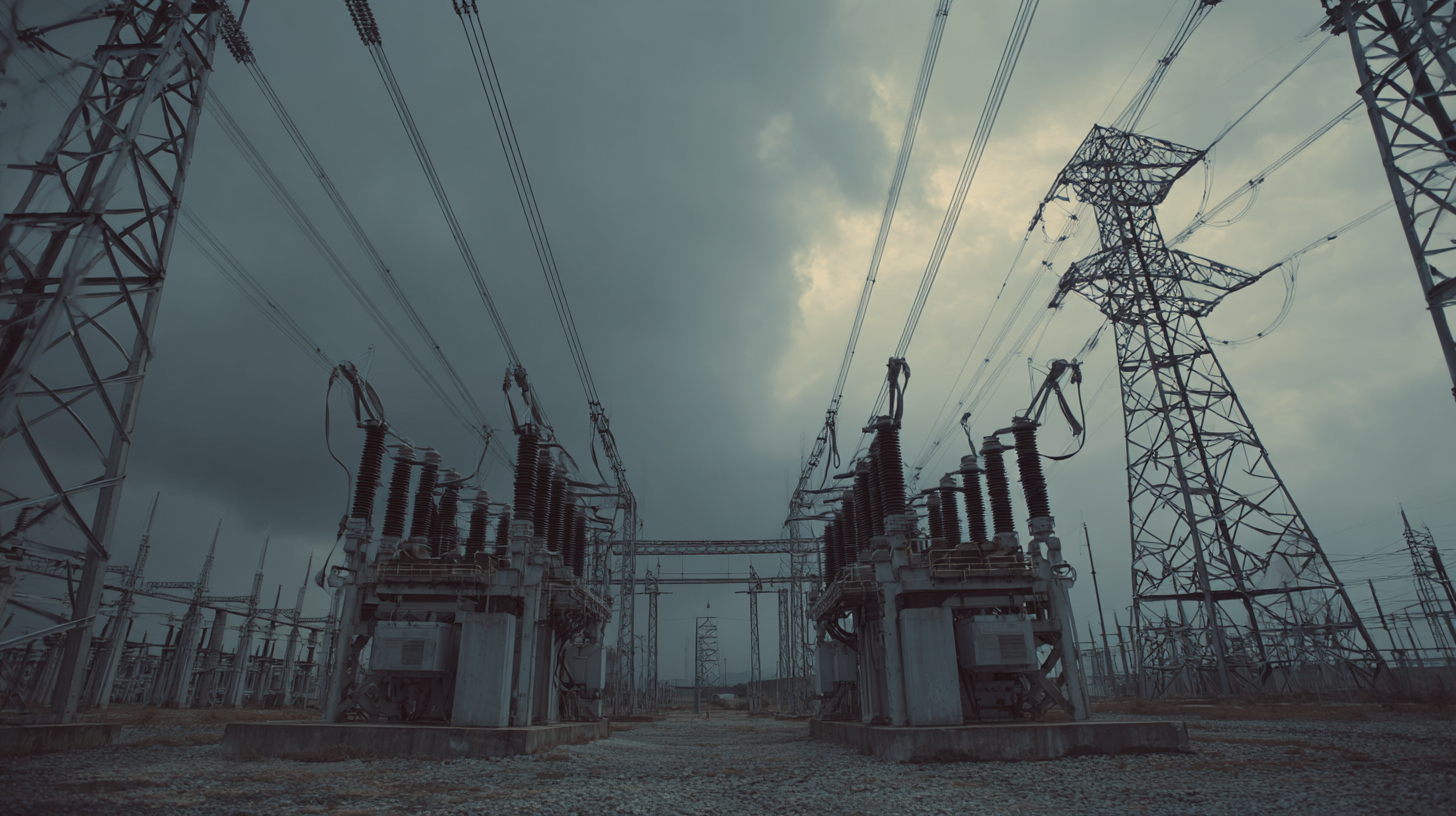
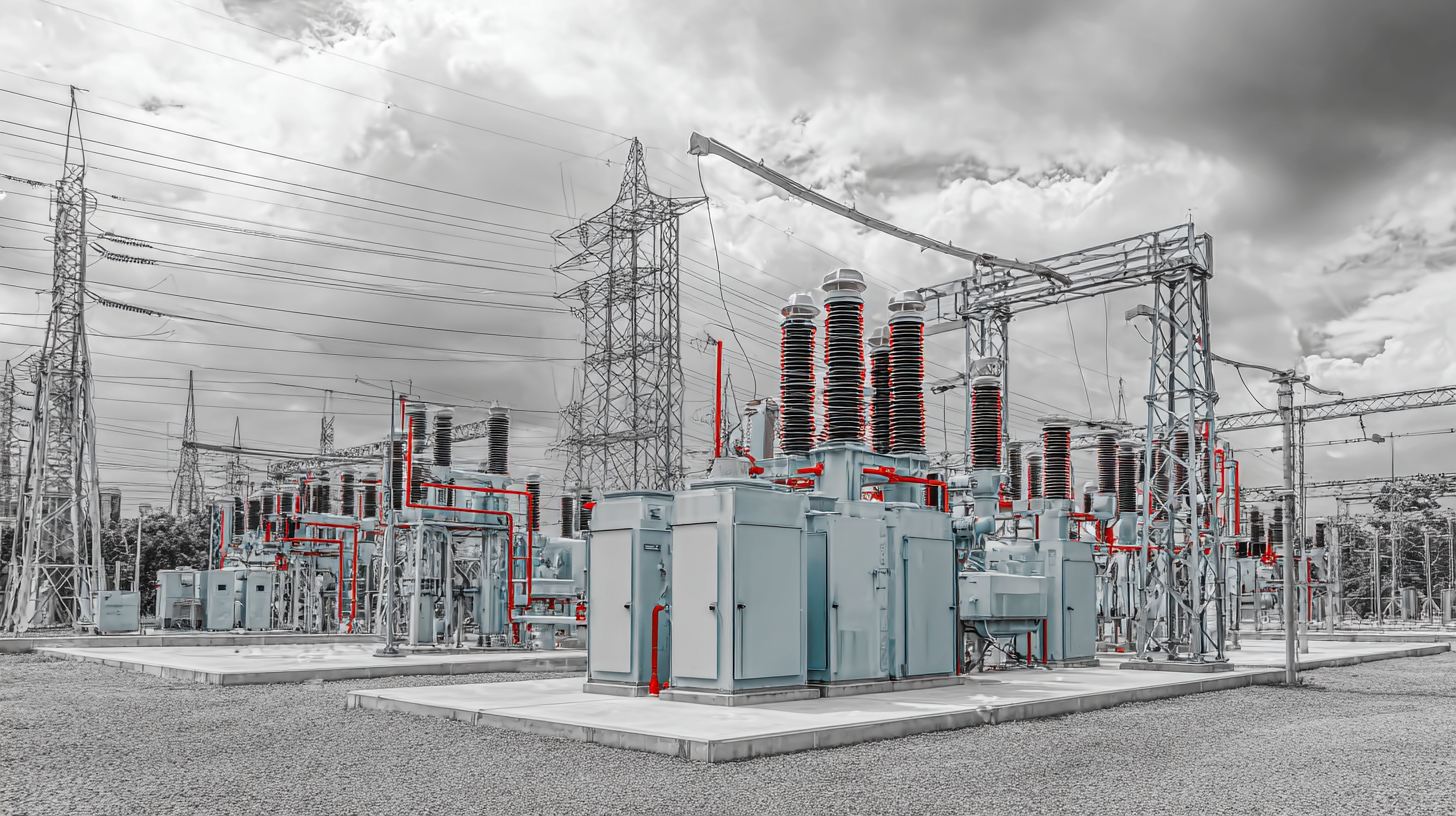 Transformers are really the backbone of modern electrical grids. You know, they play this super important role in changing voltage levels, making sure electricity gets distributed efficiently. Basically, they step up or step down voltage so electricity can travel long distances without losing too much energy. This isn’t just about keeping the lights on; it also helps integrate renewable energy sources, pushing us towards cleaner, greener energy systems.
To keep these transformers running smoothly, it’s smart to do regular check-ups—like inspecting oil levels and looking out for any signs of wear or damage. Staying proactive like this can save a lot of headaches later on, preventing costly downtime and making sure the equipment lasts longer. Plus, using some of the newer diagnostic tools can give you really useful insights into how your transformers are doing, so you can fix issues before they turn into bigger problems.
On top of that, transformers help keep the whole grid stable. They regulate voltage and help manage changes in load, so power stays consistent and reliable—something that’s absolutely crucial today with our increasingly connected energy needs. Putting effort into maintaining and fine-tuning these devices isn’t just about keeping things running; it’s about building a resilient, sustainable energy future for everyone.
Key Technologies in Transformer Design for Enhanced Power Efficiency
These days, our electrical grids are really leaning on some pretty cool new transformer tech to boost efficiency and overall performance. One of the biggest jumps forward is using amorphous steel cores — honestly, they make a huge difference by cutting down energy losses. The U.S. Department of Energy even reports that upgrading to these kinds of transformers can slash no-load losses by as much as 70%. Imagine the savings—that's like saving millions of dollars over the lifetime of a transformer! It’s all part of the push to create more sustainable energy systems and smarter grids, which is pretty exciting.
And it’s not just about the core material. Now, a lot of transformers are being built with digital monitoring systems. These smart transformers can analyze data in real-time, helping to optimize how everything runs and even predicting when maintenance might be needed. That way, they last longer and stay efficient. The International Energy Agency points out that this kind of digital upgrade could boost overall efficiency by around 30% just in the distribution part of the grid. With these kinds of tech improvements, our electrical grids can handle the ups and downs of renewable energy sources way better, making things more stable and reliable while wasting less energy overall.
Impact of Smart Grids on Transformer Performance and Management
You know, with the rise of smart grids, the way we manage and operate transformers has really changed a lot. These days, smart grids use all these cool high-tech tools and live data to make electricity distribution more efficient. It’s pretty amazing how they can keep an eye on transformers all the time, which means maintenance can be done just in time—before something actually goes wrong. This not only cuts down on unexpected downtime but also helps the equipment last longer. So, in a way, utilities can catch issues early on and avoid those costly failures that can really throw things off.
If you're working in this kind of environment, it’s pretty smart to use condition monitoring tools like thermal cameras or vibration sensors to check on transformers regularly. Another handy trick is using machine learning algorithms—they can predict potential outages and help balance the load better based on what's actually needed. This makes the whole power system more resilient and reliable.
Plus, these smart systems let transformers talk to central control units smoothly, which keeps things like reactive power and voltage levels in check. This kind of quick response is super important, especially in areas with lots of renewable energy sources coming in. By taking all these steps, utility companies can keep their transformers running at peak performance and work toward a more sustainable energy future. It’s a pretty exciting time for electrical systems!
Challenges in Transformer Integration within Evolving Electrical Networks
As electrical gridsare being modernized to include more renewable energy sources and decentralized energy resources (DERs), transformers are facing some pretty unique challenges when it comes to integration. These days, Power Transformers need to do more than just handle the usual loads— they also have to adapt to the unpredictable nature of renewables like solar and wind.It’s a bit of a toss-up, really, and pushes us to develop more advanced transformers that can manage these fluctuating inputs without sacrificing grid stability and reliability. Incorporating these smarter transformers into our existing networks is super important, especially if we’re serious about hitting decarbonization targets. Just look at countries like India—rising electricity demand and urban growth are putting a lot of pressure on their grid infrastructure.
On top of that, modern transformers need to come equipped with smart grid features, like real-time data analysis and responsive control systems. This shift towards more adaptable transformer designs is pretty much essential considering all the new tech popping up, like electric vehicles and energy storage solutions. Sure, these innovations can make our energy systems more efficient and resilient, but getting everything to work together smoothly is a real challenge. If we want our modern electrical networks to keep up and stay reliable in such a fast-changing energy landscape, overcoming these integration hurdles is absolutely key.
Maintenance Strategies for Maximizing Transformer Lifespan and Reliability
Transformers are pretty much the backbone when it comes to keeping our modern electrical grids reliable and running smoothly. As more and more people plug in devices and demand more power, it's super important to keep these big equipment pieces in top shape and make sure they last as long as possible. One good way to do this? Regular check-ups and preventative maintenance. By catching potential problems early, before they turn into expensive disasters, we can actually extend how long transformers stay useful.
Beyond just routine inspections, technology has really stepped up our game. Tools like thermal imaging and dissolved gas analysis give us a much clearer picture of what's happening inside the transformers—how’s the insulation holding up? Are there signs of wear and tear? With these proactive approaches, not only do we keep the transformers reliable, but we also help keep the entire electrical grid stable, which is key as we look ahead to future energy needs. Interestingly, recent market studies suggest that the transformer insulation market could hit around USD 9.68 billion by 2030. That just shows how much importance everyone is placing on making sure transformers perform well and keep up with changing demands.
Future Trends: Innovations in Transformer Technology for Future Grids
As our power grids continue to grow and adapt to the rising needs for efficiency and sustainability, new tech in transformers is becoming more and more important. One cool trend happening right now is the rise of smart transformers. These guys come equipped with fancy sensors and communication features, allowing them to keep an eye on data in real-time. It’s like giving the grid a little brain, making it more reliable and better at managing energy demand. Plus, since they talk to other parts of the grid, they help distribute power more smoothly and cut down on energy losses. All this adds up to a sturdier, more resilient energy system.
On top of that, we’re seeing some exciting development with solid-state transformers, or SSTs for short. Unlike your average transformer, SSTs use power electronics to do their thing — making them more efficient and flexible. They can handle power flowing in multiple directions and are great at connecting with renewable sources like solar and wind. They also keep voltage steady and help improve overall grid stability. As more folks push for decentralized energy sources, SSTs are shape-shifting into key players for building a smarter, more sustainable energy grid in the future.
FAQS
: Amorphous steel cores are a crucial development in transformer design that significantly reduce energy losses. They can lower no-load losses by up to 70%, resulting in substantial energy savings over the transformer’s lifespan.
Upgrading to amorphous core transformers can lead to energy savings that amount to millions of dollars over a transformer's lifespan due to reduced energy losses.
Digital monitoring systems in transformers enable real-time data analytics that optimize performance, predict maintenance needs, and extend operational life.
The International Energy Agency (IEA) estimates that digital transformation in the energy sector could result in around 30% efficiency improvements in the distribution network.
Smart transformers are equipped with advanced sensors and communication capabilities that allow real-time data monitoring and management, optimizing energy distribution and reducing losses, thereby enhancing grid reliability.
Solid-state transformers (SSTs) utilize power electronics for improved performance and flexibility, supporting multi-directional power flow and seamless integration of renewable energy sources, unlike conventional transformers.
Solid-state transformers enhance voltage regulation and improve overall grid stability, which is essential as the demand for decentralized energy generation increases.
Innovations like solid-state transformers enable better integration of renewable energy sources such as solar and wind, which is crucial for developing a more adaptable and sustainable energy landscape.
Effective communication with other grid components allows transformers to optimize energy distribution and facilitate demand response strategies, contributing to a more resilient energy infrastructure.
Key future trends include the integration of smart transformers and solid-state transformers, both of which enhance performance, flexibility, and the ability to manage renewable energy inputs efficiently.
Conclusion
When we talk about today's electrical grids, transformers are pretty much the unsung heroes, making sure power gets distributed efficiently and reliably. The article titled 'Understanding the Role of Transformers in Modern Electrical Grids' really dives into what these transformers do, highlighting how they help regulate voltage better and manage energy more effectively. It also points out some of the key design innovations that boost efficiency and explains how the rise of smart grids has totally changed the game for transformer performance and upkeep.
Plus, it doesn't shy away from the challenges—like how to smoothly integrate transformers into these rapidly evolving electrical setups—and offers some solid strategies for maintenance to keep them running smoothly for years to come. Looking ahead, there’s some exciting talk about future trends and cutting-edge tech that could make our grids even smarter and more efficient. And it’s worth noting that Beijing TransFar Electronics Group Co., Ltd.—a big name in the industry—is actively working on the forefront of these advancements. They’re rolling out new tech like advanced energy Reactors and specialized transformers that cater to the changing needs of modern power systems.