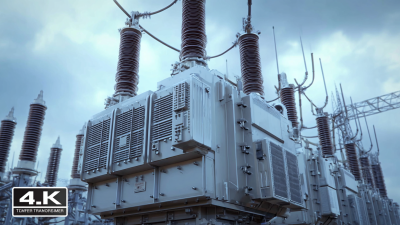
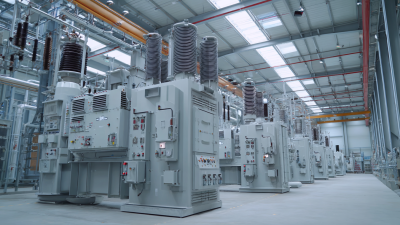
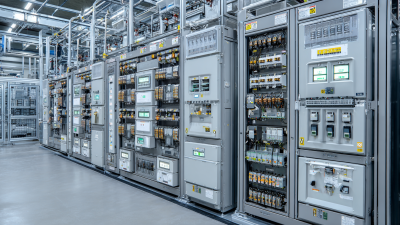
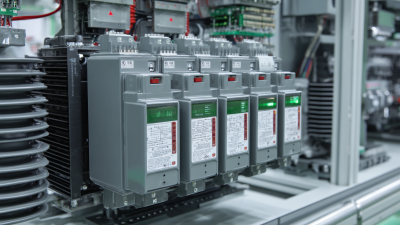
As the world really gears up for more sustainable energy solutions, it’s more important than ever to make sure our modern power grids are super efficient. Beijing TransFar Electronics Group Co., Ltd. is definitely a leader in this high-tech push — they’re all about developing cutting-edge products that help drive this shift forward. One of their key innovations? Transformer for Power tech. These transformers are actually pretty crucial because they help cut down energy losses during electricity distribution, which means grid operators can better handle the rising demand for cleaner, greener energy sources. Thanks to some pretty advanced designs and new research into current and voltage sensors, special transformers, and reactors, TransFar Electronics is really leading the charge to boost grid efficiency up to 80% or even higher. In this article, I’ll dive into why Transformer for Power is such a big deal when it comes to making sure we’re using energy wisely and pushing toward a more sustainable, more efficient power system.
The Role of Transformers in Energy Management for Modern Grids
You know, transformers are becoming more and more essential when it comes to managing energy in today's grids. We're really aiming for that 80% energy efficiency mark, and transformers play a big role in making that happen. They’re like the backbone of efficient power transmission, especially over long distances—they help cut down energy losses, which is pretty important in smart grid setups. The International Energy Agency (IEA) even says that by improving transformer tech, we could slash transmission losses by up to 30%. That’s a huge boost for overall grid efficiency.
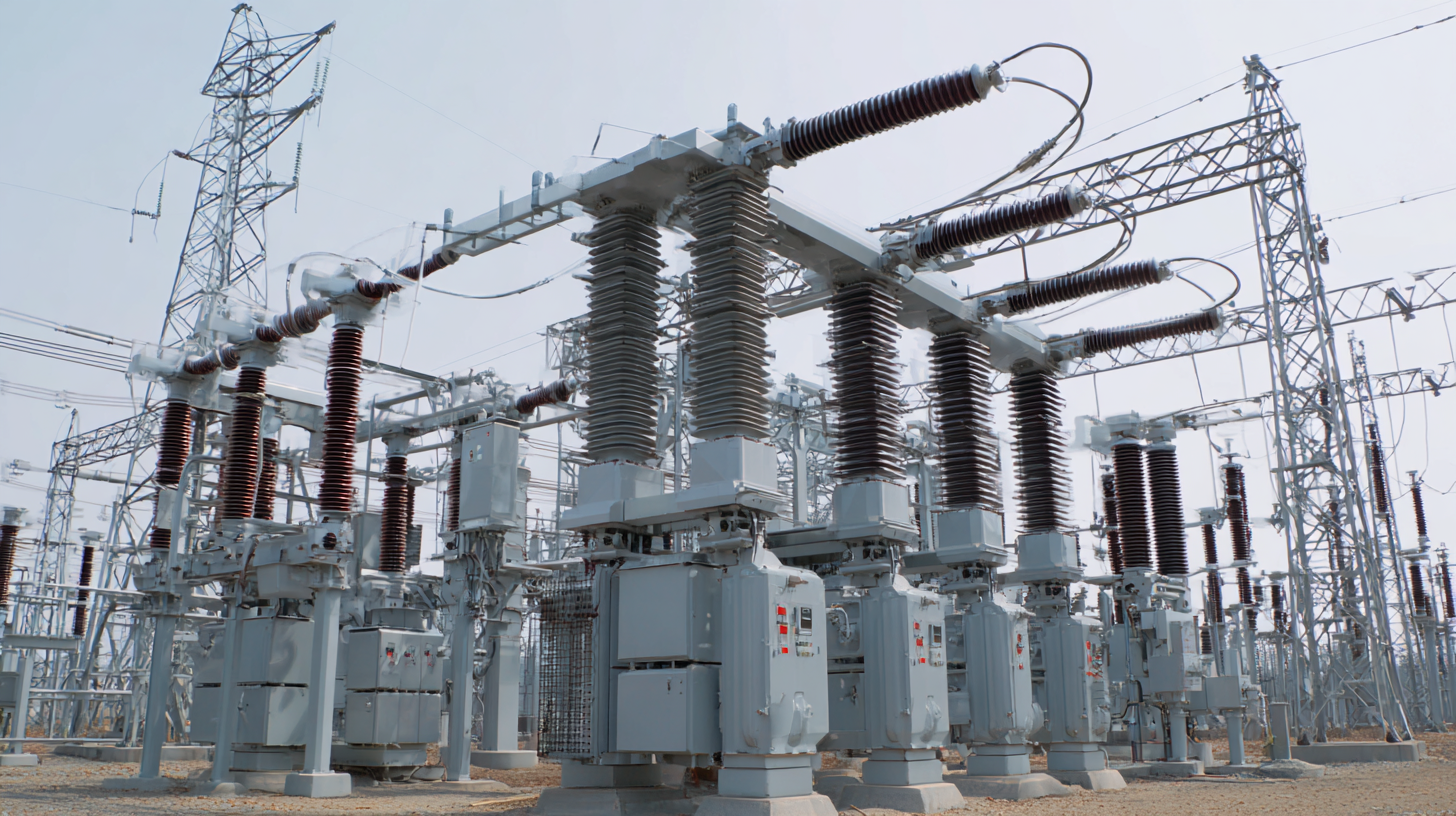
At Beijing TransFar Electronics Group Co., Ltd., we’re all about pushing the envelope with innovative transformer solutions. Think new energy reactors and specialized transformers that boost how modern energy systems perform. Our products are built to work smoothly with electric vehicles (EV) charging stations and current/voltage sensors, supporting the move toward a smarter, more sustainable energy future. With our tech, the grid can better manage power flows, making sure everything runs reliably while wasting as little energy as possible.
A quick tip—keeping transformer systems well-maintained and investing in upgrades really pays off in keeping things running efficiently and extending their lifespan. Also, incorporating smart monitoring tools that give real-time data on performance is a game-changer; it allows us to detect issues early and manage the whole system proactively. As energy demands keep climbing, investing in advanced transformer tech isn’t just smart, it’s downright necessary if we want more efficient, modern grids.
Understanding Energy Efficiency Targets in Power Systems
Getting our power systems to hit those energy efficiency goals is pretty important if we wanna be sustainable and do our part for the environment. These days, modern grids are facing a lot more pressure—thanks to cities expanding and all the new tech coming out. To keep up with this huge demand while still sticking to strict energy-saving targets, we really need to bring in some cutting-edge technology. Transformers, for example, are absolutely crucial—they’re the unsung heroes that help keep voltage steady and cut down on energy waste during distribution.
Transformers make a big difference when it comes to making power systems more efficient. They help send electricity over long distances without losing too much energy—this is especially handy for renewable energy sources, which are often generated at smaller, more scattered sites. On top of that, smart transformers—those with real-time monitoring and control—take things up a notch. They improve how we respond to different energy demands, manage loads better, and even integrate various distributed energy sources more smoothly. All these tech upgrades don’t just help us meet our efficiency goals; they also make our power grids more reliable and resilient, better prepared to handle sudden changes in supply and demand without a hitch.
Impact of Transformer Technology on Grid Stability and Reliability
You know, these days, the stability and reliability of our power grids really hinge on cutting-edge transformer tech. As we push towards more renewable energy sources, transformers are playing an even more crucial role. Just recently, there was this pretty impressive test involving a 765 kV / 400 kV single-phase transformer filled with natural ester oils — and let me tell you, it showed how smart design tweaks can actually make operations run smoother. Not only do these modern transformers boost energy efficiency, but they also help keep the grid stable, especially when demand spikes—like with all those new data centers popping up everywhere.
By the way, if you're thinking about how this applies locally, consider the benefits of natural ester-filled transformers. They’re safer in case of fire and better for the environment compared to the traditional oil ones. It’s definitely worth exploring.
Plus, there’s this tech called STATCOM that’s also making a difference. It supports reactive power, which helps control voltage swings and keeps things running smoothly—super important now with all the renewable sources coming online and creating a bit of unpredictability. Investing in these kinds of technologies could really help build a stronger, more resilient energy grid that can handle future needs without those annoying blackouts.
So, it might be a good idea to chat with local energy folks about adopting smarter transformer solutions that could make our power system more stable and ready for what’s coming next.
Integration of Renewable Energy Sources through Advanced Transformers
You know, integrating renewable energy sources like solar and wind into our modern power grids is pretty much a must if we want to be more energy-efficient. And honestly, advanced transformers are gonna be key players in making that happen. These cutting-edge transformers are really designed to handle the unpredictable nature of renewables—things like sunlight and wind can be all over the place. They do a good job of managing voltage swings and keeping the power flow smooth, no matter where it's coming from. That means a more stable grid and fewer energy losses, which is pretty awesome.
Plus, these transformers aren’t just about handling power—they’re also smart. They come with sensors and communication tech that let them send data in real time, so grid operators can keep an eye on things and make smarter decisions. This doesn’t just make better use of renewable sources but also makes the whole system more reliable and resilient. As we're aiming for about 80% energy efficiency, I really think the role of these advanced transformers is only going to grow—they’re crucial for building a sustainable, efficient energy future.
Challenges in Achieving 80% Energy Efficiency in Power Distribution
Getting to 80% energy efficiency in today’s power distribution setups isn’t exactly a walk in the park. There are a bunch of hurdles that we really need to tackle if we want transformers to do their job better. For starters, a lot of our current power systems are pretty old—kind of like trying to run the latest apps on an outdated phone. Those outdated transformers often can’t operate at peak performance, which means a lot of energy gets wasted. Upgrading them and bringing in new tech can definitely help move things along, but of course, that stuff doesn’t come cheap and needs careful planning.
Another big thing is that our electricity demand keeps skyrocketing, and with renewable sources like wind and solar getting more popular, the grid is becoming way more complex. These new setups mean that transformers need to be more adaptable to handle all these fluctuating inputs—without losing efficiency. That’s where smart grid tech comes in, like real-time monitoring or automatic controls, which can help keep everything balanced and running smoothly.
A few tips? Regularly check and upgrade your transformers to keep them from wearing out and becoming less efficient. Also, embracing smart grid solutions really makes a difference when it comes to managing loads and making sure your power network is humming along nicely. And don’t forget—training your team in the latest energy-saving practices can go a long way too. Building a culture that focuses on continuous improvement can really make a difference in how efficiently we use energy.
Future Innovations in Transformer Design for Enhanced Efficiency
When we talk about making our modern power grids more efficient, a lot of it really boils down to how we innovate with transformers. Sure, traditional transformers do the job, but they’re not perfect — they can waste up to 10% of the energy during transmission because of heat loss and aging parts. The International Energy Agency (IEA) actually reports that by tweaking transformer designs, we could bump up energy efficiency by as much as 80%. That could make a huge difference in how well our whole power network performs.
Looking ahead, the really exciting stuff involves using new materials and smarter tech. For example, replacing standard silicon steel with amorphous steel in transformer cores can cut energy losses by around 70%. Plus, incorporating digital monitoring systems means we can keep tabs on performance in real-time and do predictive maintenance, which means less downtime and more reliability. As renewable energy sources become a bigger part of the mix, these kinds of innovations are going to be super important for handling energy variability and keeping everything stable. It’s all about building a more sustainable, reliable energy future — and these transformer upgrades are definitely a step in the right direction.
Why Transformers For Power Are Critical to Achieving 80% Energy Efficiency in Modern Grids? - Future Innovations in Transformer Design for Enhanced Efficiency
| Dimension | Value | Impact on Energy Efficiency |
| Transformer Type | High-Efficiency (≥98%) | Reduces energy loss |
| Cooling Technology | Liquid Immersion | Improves thermal performance |
| Core Material | Amorphous Steel | Lowers no-load losses |
| Smart Monitoring | Yes | Enhances operational efficiency |
| Load Management | Active | Optimizes energy flow |
| Total Harmonic Distortion (THD) | | Improves power quality |
Enhancing Energy Efficiency: Insights from Industry Reports on Split Core AC Current Transformer Applications
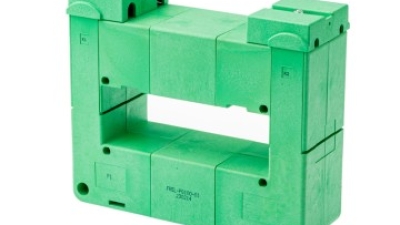
The pursuit of enhanced energy efficiency has become paramount in today’s industries, and one effective way to achieve this is through the utilization of split core AC Current Transformers. These innovative devices not only provide accurate current measurements but also offer a seamless installation process that can significantly reduce downtime and enhance operational efficiency. With a measurement range that spans from 0 to 2000A, these transformers are ideal for various applications, including current control and protection, making them a versatile tool for energy management.
One of the standout features of the split-core current transformer is its unique design, which eliminates the need to cut existing cables during installation. This convenience not only simplifies the process but also ensures that power monitoring and control can be implemented swiftly and effectively. As industries seek to optimize their energy consumption and reduce operational costs, the split core transformer stands out as an essential component, ensuring measurement accuracy while adapting to complex environments. By leveraging the capabilities of such transformers, businesses can make informed decisions to enhance their energy efficiency strategies.
FAQS
: Advanced transformer technologies significantly enhance the stability and reliability of power grids, especially with the increasing integration of renewable energy sources.
Natural ester-filled transformers can enhance operational efficiency by providing better energy efficiency and contributing to grid stability during high demand periods.
STATCOM technology provides reactive power support, helping to mitigate voltage fluctuations and ensure balanced operation, which is essential for grids with intermittent renewable sources.
Optimized transformer designs can improve energy efficiency by as much as 80%, reducing heat losses and enhancing overall power network performance.
Future transformer innovations are focusing on advanced materials like amorphous steel, which can reduce energy loss by up to 70% compared to conventional silicon steel.
Digital monitoring systems allow for real-time performance assessments and predictive maintenance, which help to reduce downtime and enhance the reliability of transformers.
Enhancing efficiency in transformers is crucial for managing the variability of renewable energy sources, which helps ensure grid stability and a more sustainable energy future.
Natural ester-filled transformers provide better fire safety and environmental benefits compared to traditional transformer options.
Local energy stakeholders should explore the adoption of smart transformer technologies to facilitate the transition to a more stable and reliable power grid.
Traditional transformers can waste up to 10% of energy during transmission due to heat losses and aging components.
Conclusion
Transformers really play a huge role in making our modern power grids more energy-efficient. As we rely more and more on electricity—and especially as renewables become a bigger part of the mix—it's pretty important to understand how these transformers help keep everything running smoothly. They’re key to reaching that big goal of 80% energy efficiency by fine-tuning how power gets distributed and ensuring the grid stays stable. Plus, with the latest transformer tech, we’re better equipped to handle the ups and downs of renewable energy sources, making the whole system more reliable and responsive.
Now, even with all this progress, there are definitely some hurdles to clear. Things like old infrastructure and the need for smarter, more innovative transformer designs are big challenges. That’s where companies like Beijing TransFar Electronics Group Co., Ltd. come into play—they’re leading the charge, developing advanced transformers and energy solutions that boost efficiency and help integrate new energy technologies. Thanks to continuous research and innovation, the future of transformer tech looks pretty bright. It’s paving the way for smarter, more efficient power systems down the line.