Hey there! If you're into the ever-changing world of new energy tech, then you probably know how important it is to get a good handle on Hall Effect Current Sensors. They’re pretty much mainstays when it comes to squeezing out the best performance and efficiency in all sorts of applications. Over at Beijing TransFar Electronics Group Co., Ltd., they’re really at the forefront — crushing it with researching, designing, manufacturing, and selling these advanced current and Voltage Sensors, including those handy Hall Effect ones. In this guide, I’ll walk you through how these devices actually work, what makes them so special, and how you can use them in real-world setups. Whether you're working with electric vehicles or renewable energy projects, fully understanding these sensors can seriously level up your game. So, let’s dive into the key concepts and some top tips to help you get the most out of Hall Effect Current Sensors in your projects — it’s gonna be worth it!
Understanding Hall Effect Sensors: Basics and Mechanisms Explained
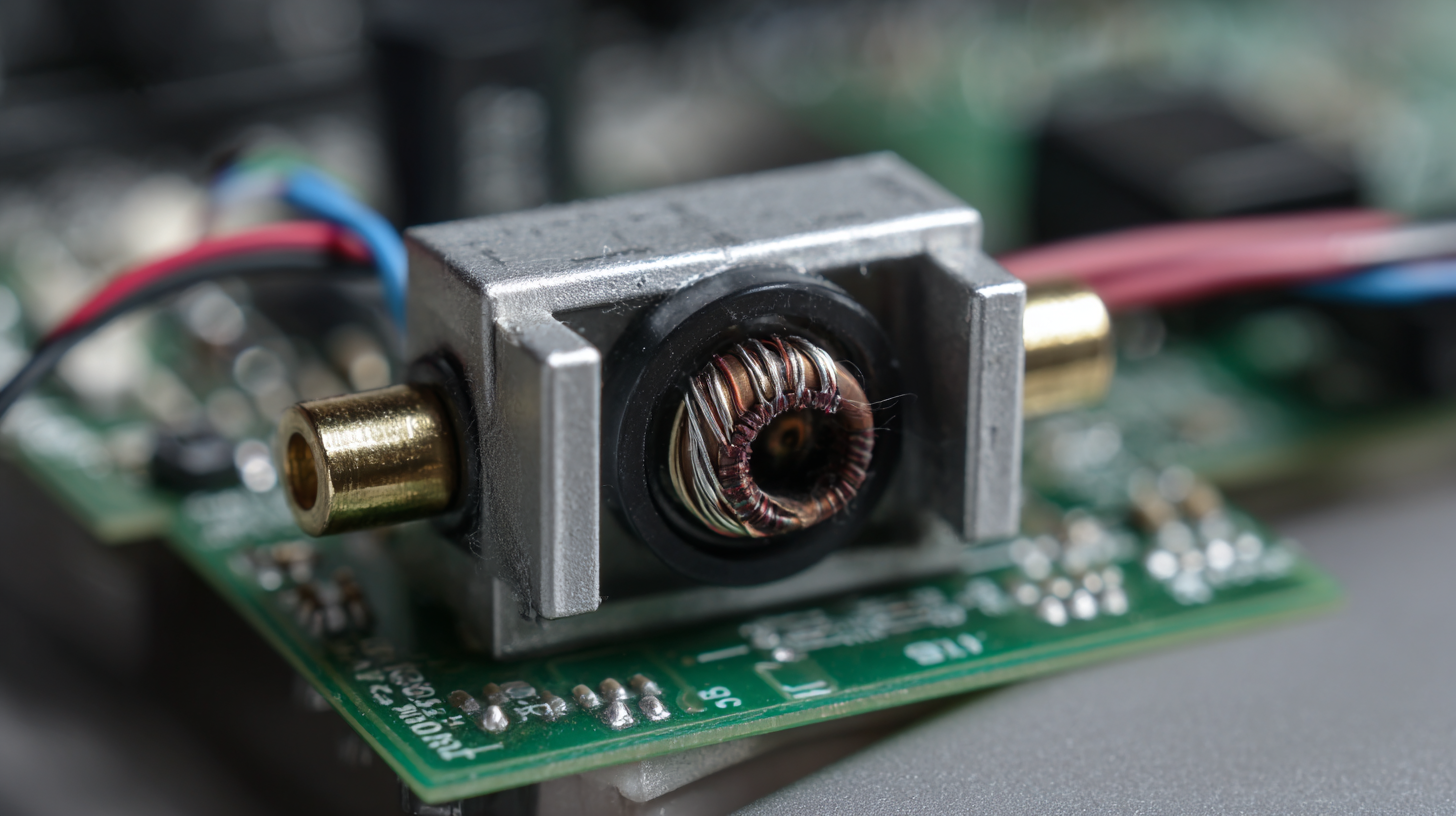
You know, Hall EffeCt Sensors are pretty much essential in modern electronics these days. They do a great job at measuring current really accurately. So, how do they work? Well, it’s all about the interaction between a magnetic field and an electric current. Basically, if you place a wire carrying current inside a magnetic field, you'll get a voltage generated at a right angle to both the current and the magnetic field — that’s what we call the Hall Effect. This clever trick allows these sensors to measure how much current is flowing without even having to make direct contact with the wire. Pretty neat, right?
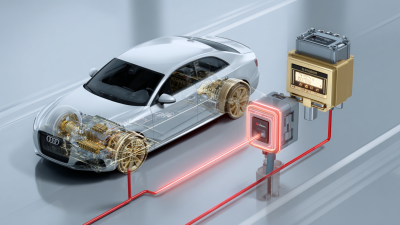
In real-world scenarios, you’ll find Hall Effect current sensors being used for all sorts of things — like keeping tabs on battery currents in electric cars, protecting industrial circuits from overloads, or even helping improve power efficiency in renewable energy setups. Their ability to measure current without getting in the way — you know, totally non-invasive — makes them super handy, especially when accuracy is non-negotiable. If you understand how these sensors work and the basic principles behind them, it’ll be easier to use them effectively in all sorts of applications. Trust me, it really helps to make your electrical systems both reliable and efficient.
Key Applications of Hall Effect Current Sensors Across Industries
You know, Hall Effect current sensors might sound kinda technical, but honestly, they’re pretty crucial across a bunch of industries. They give you really accurate current readings without much fuss—minimal interference and all that. The fun part? The market for these sensors is booming. It’s expected to grow from about 3.43 billion dollars in 2025 to around 6.67 billion by 2032. That’s a huge jump! In fact, they’re growing at a steady clip of roughly 10.1% annually, thanks to tech advances and everyone’s increasing focus on saving energy.
You’ll find these sensors in all sorts of places—think auto, aerospace, industrial automation, and even renewable energy projects. Like in cars, they’re super important for keeping tabs on the batteries, which helps improve how well everything runs and keeps folks safe. And in renewable energy setups, they’re vital for measuring electrical current properly to get the most out of power generation. As more industries start using these sensors, you better believe we’ll see ongoing innovation and growth. Back in 2021, the market was valued at about 2.43 billion dollars, and from 2022 to 2030, it’s supposed to grow at an eye-popping rate of nearly 11.8%. It’s definitely an exciting time for this tech!
Comparative Analysis: Hall Effect Sensors vs. Other Current Sensing Technologies
Lately, there's been a real surge in the need for accurate and dependable current sensing tech. That's led to all kinds of cool methods popping up, but one stands out — the Hall Effect current sensors. These guys are pretty awesome because, unlike the traditional shunt resistor approach, they offer galvanic isolation. That’s a fancy way of saying they make things safer and more precise, especially when dealing with high voltages. Plus, they can give you real-time current readings without messing too much with the circuit's performance. That makes them perfect for a bunch of things — think electric vehicles, renewable energy setups, and beyond.
When you compare Hall Effect sensors to other options like resistive or inductive sensors, a few things come into play — sensitivity, range, and how well they handle tough environments. Resistive sensors are pretty simple and cheap, but they tend to waste power and can get hot, which isn’t ideal for high-power stuff. On the other hand, inductive sensors are great because they measure without direct contact, but they might not be super accurate when dealing with really low currents. Here at Beijing TransFar Electronics Group Co., Ltd., we’re all about pushing the limits of Hall Effect sensor tech, making sure our products perform at the top of their game to meet the demands of new energy applications. By leveraging cutting-edge technology in our current and voltage sensors, we’re aiming to boost efficiency and reliability for our customers — because at the end of the day, that’s what really matters.
Performance Metrics: Evaluating Accuracy and Efficiency in Current Measurement
When you're looking at how well Hall Effect current sensors perform, a couple of things really stand out—mainly accuracy and efficiency. Basically, these sensors work by measuring the magnetic field that's generated when current flows through a wire. To get the best results, it’s important to pay attention to a few key factors like how linear the readings are, how stable they stay across different temperatures, and how quickly the sensor responds. A sensor that does well in all these areas is super reliable and can give you precise measurements no matter the conditions. That makes it pretty much a must-have for applications ranging from industrial automation systems to electric vehicles.
If you want your Hall Effect sensors to be even more accurate, it’s a good idea to calibrate them regularly. That way, you can account for environmental changes and any drift that might happen over time. Picking high-quality sensors with low offset voltage and noise can also make a huge difference in getting precise readings. And don’t forget about placement—positioning your sensors in spots that minimize external magnetic interference will boost their efficiency and keep your readings consistent.
When it comes to making your measurements more efficient, the type of signal processing you use really matters. Applying filters and smart software algorithms helps cut out noise and makes your data clearer. Plus, using advanced data acquisition systems can make integrating these sensors into your overall setup a lot smoother, improving both how they perform and how easy they are to work with.
The Performance Metrics of Hall Effect Current Sensors
Future Trends: Advancements in Hall Effect Technology and Industry Impact
You know, the technology behind Hall Effect current sensors has come a long way recently. It’s opening up some really exciting possibilities across different industries, especially when it comes to renewable energy and electric vehicles. As more folks turn to cleaner energy options, these advances in Hall Effect tech are a big deal—they’re helping us get more accurate readings and work more efficiently. That’s super important when you’re trying to keep tabs on energy use or fine-tune systems for better performance. Basically, these sensors can sense the magnetic field created by current flow without any invasive methods, giving us precise measurements—something that’s crucial for designing smarter, more advanced energy systems.
Cost-Benefit Analysis: Maximizing ROI with Hall Effect Current Sensors in Projects
You know, the rapid growth we're seeing in the current sensor market is pretty exciting, especially for businesses that are using Hall Effect current sensors in their projects. It’s like, the market's expected to jump from around $3.79 billion in 2024 all the way over $17.5 billion by 2037—talk about a huge leap! And with industries, especially electric vehicles, ramping up production, the need for accurate, reliable current sensing is more important than ever.
When you do the math on costs versus benefits, Hall Effect sensors really stand out. They’re great because they give precise readings while still keeping things safe and efficient. Unlike the old-school sensors, these can work without making direct contact with the current-carrying wire, which cuts down on risks and helps things run smoother. If businesses smartly integrate these sensors, they can get the most bang for their buck and stay ahead of the curve as demand grows and tech keeps advancing. Basically, this is a ripe opportunity for those ready to jump in and make the most of it.
FAQS
: Hall Effect current sensors are used for precise current measurements across various industries, including automotive for battery management, aerospace, industrial automation, and renewable energy.
The market is projected to grow from $3.43 billion in 2025 to approximately $6.67 billion by 2032, with a compound annual growth rate (CAGR) of 10.1%.
Hall Effect sensors provide galvanic isolation, enhancing safety and accuracy in high-voltage applications, and they deliver real-time current measurements with minimal impact on circuit performance.
They excel in applications such as electric vehicles and renewable energy systems, where accurate current measurements are essential for optimizing performance.
Resistive sensors are simple and low-cost but suffer from power loss and thermal issues, making them less ideal for high-power applications compared to Hall Effect sensors.
Inductive sensors can provide non-invasive measurements but may struggle with precision in low-current scenarios, while Hall Effect sensors maintain accuracy across a broader range of currents.
The company is committed to advancing Hall Effect sensor capabilities, ensuring superior performance tailored to the evolving needs of new energy applications.
The market is projected to grow at an impressive CAGR of 11.80% during this period.
They provide accurate current measurements that are essential for optimizing power generation and distribution in renewable energy applications.
When comparing different technologies, factors such as sensitivity, range, and environmental resilience should be considered.
Conclusion
Hey, so I read this really interesting blog called "The Ultimate Guide to Understanding Hall Effect Current Sensors: Making the Most of Their Potential in Your Projects." It does a pretty good job breaking down how these sensors actually work—like, the basic principles and how they operate. Plus, it dives into all kinds of practical uses across different industries, showing just how versatile and effective they can be. They even compare them to other current sensing tech out there, highlighting why Hall Effect sensors often come out on top. There’s also a look at how they perform in terms of accuracy and efficiency, which is super useful if you're considering using them. The article even chats about where this tech is headed—future trends and potential upgrades that could shake things up industry-wise. Oh, and they include a cost-benefit analysis, so you can see how to get the best bang for your buck when deploying these sensors. It all ties back to the expertise of Beijing TransFar Electronics Group, who are really into creating innovative energy solutions. Overall, it’s a solid read if you want to get the scoop on maximizing these sensors’ potential in your projects!