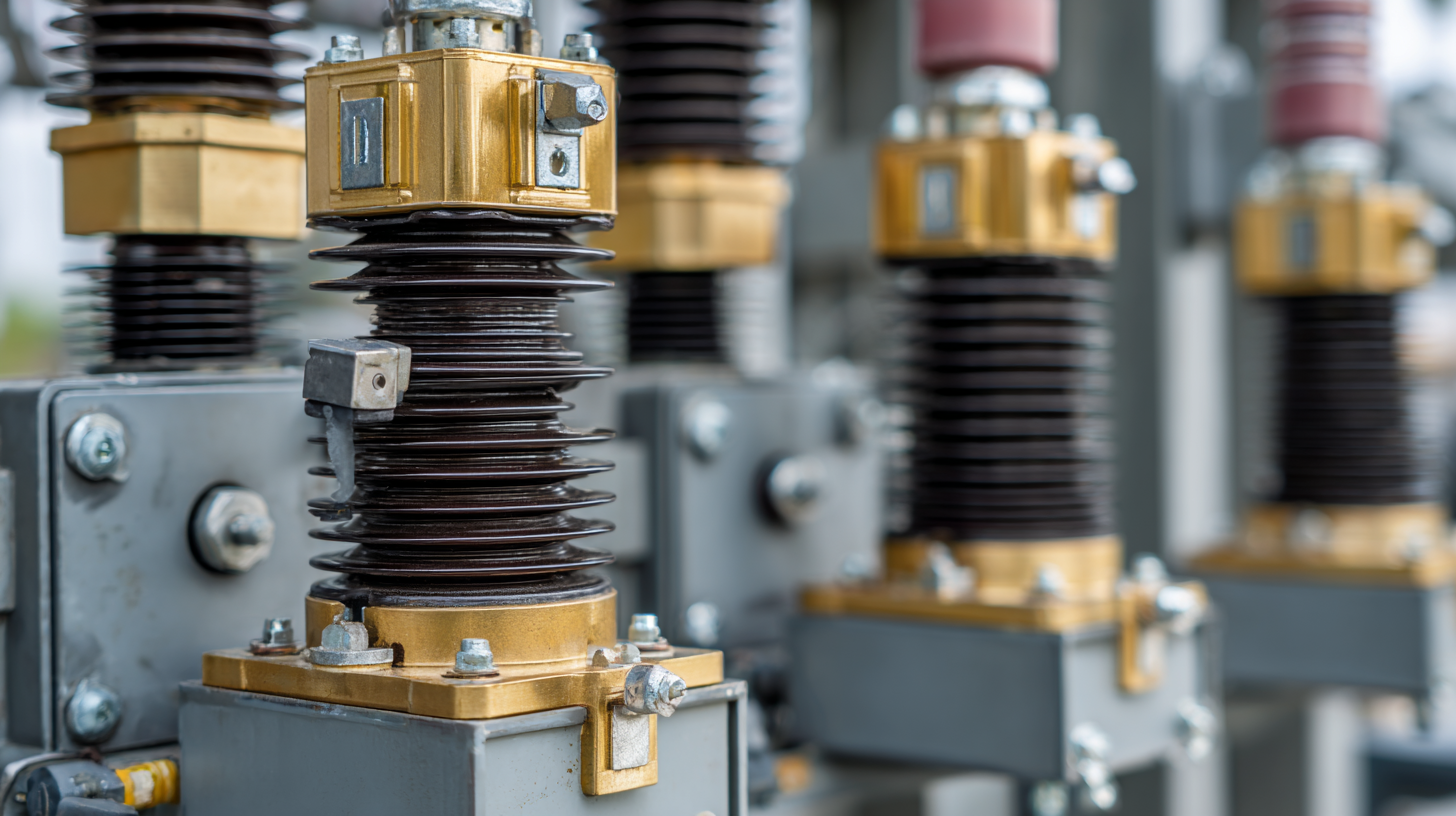
Hey there! If you're diving into the world of electrical engineering or energy management, you've probably come across Cb Current Transformers. These little guys are pretty much essential—they help measure current accurately and keep things insulated across all sorts of applications. Honestly, understanding how they work can really make a difference in making your systems safer and more efficient.
In this guide, we'll walk through the basics—how they operate, where they're used, and the different types out there. Whether you're an engineer or just someone interested in energy tech, I think you'll find it pretty helpful.
By the way, Beijing TransFar Electronics Group Co., Ltd.is a real leader in this space. They're always pushing the envelope with innovative stuff like new energy current and Voltage Sensors, plus transformers. Their expertise means you’ve got some solid tools at your fingertips to make the most of your energy setups and get the benefits ofCb Current Transformers.
So, let’s take a closer look at all the options out there and see how they can fit your needs in modern energy management. Sounds good? Let’s go!
Understanding the Fundamentals of Cb Current Transformers and Their Applications in Industry
Current transformers, or CTs, are pretty essential in industrial settings because they let us safely keep an eye on and measure electrical currents without messing with the load directly. Especially, Cb current transformers are built for those high-voltage environments—think substations and big industrial plants—where they provide critical data points without putting anyone at risk. Interestingly, the International Electrotechnical Commission (IEC) expects the demand for these CB CTs to grow about 5% each year. That’s mainly because of more investment in things like smart grids and renewable energy projects.
Now, the magic behind Cb CTs is electromagnetic induction—basically, they convert huge currents into smaller, easier-to-handle numbers, so measurement devices can do their thing. For example, a typical Cb CT might take a hefty 1000 amps and step it down to just 5 amps. Industry folks say these transformers are super important—they help keep power systems running smoothly, gather accurate data, and maintain safety. You’ll mostly find them in substations, industrial sites, and renewable setups, where keeping an eye on the current is crucial for peak performance and avoiding mishaps.
Key Benefits of Utilizing Cb Current Transformers in Electrical Systems
CB current transformers are pretty essential in electrical systems — they’re like the unsung heroes, making everything safer and more efficient. One of the biggest perks about using these transformers is how accurately they can measure current. That kind of precision is actually a game-changer when it comes to keeping an eye on power distribution and managing it well. With reliable data in hand, system operators can spot load issues early on, which helps optimize energy use and cut down operational costs.
And honestly, the protection factor they bring is a huge bonus too. Think of them as a barrier that shields sensitive equipment from dangerous overcurrent situations—kind of like a safety net. This not only helps electrical devices last longer but also makes the whole workplace safer. Plus, they’re pretty handy when it comes to troubleshooting and maintenance. Technicians can easily monitor and diagnose electrical quirks without having to come into direct contact with high voltages. Overall, CB current transformers are pretty indispensable in today’s electrical setups — they just make everything run smoother and safer.
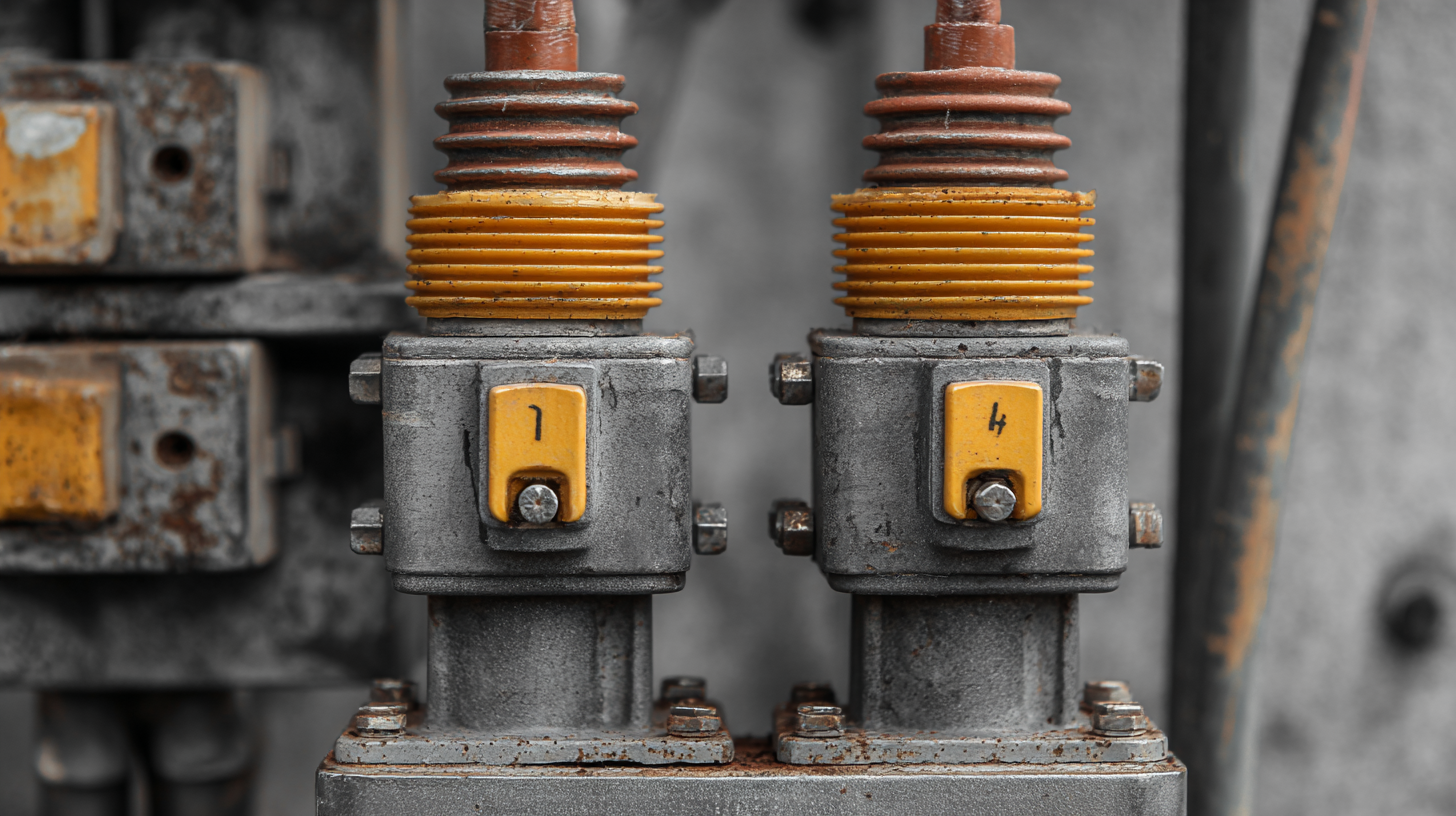
Comparative Analysis: Analog vs. Digital Cb Current Transformers in Performance
When you're dealing with measuring current in electrical systems, Cb current transformers really come into play. There's been quite a bit of chatter lately about the differences between analog and digital Cb transformers, especially regarding how they perform. Analog transformers, for the most part, are pretty straightforward and sturdy—they do a solid job of turning high primary currents into smaller secondary currents. But, honestly, their accuracy can sometimes suffer because of outside interference or fluctuations in temperature—that's just part of the deal.
Now, digital Cb transformers are kind of a game changer with all their fancy features. They give you higher precision, can process data in real time, and are compatible with cool digital communication protocols. This makes them perfect for integrating with complex monitoring and protection systems. The catch? They tend to be pricier and might need a more careful setup and ongoing maintenance. Looking at both, it’s clear that analog transformers are super reliable, but digital ones really shine when it comes to accuracy and flexibility. Ultimately, the right choice depends a lot on what your specific electrical setup needs.
Installation Best Practices for Maximizing Efficiency of Cb Current Transformers
When you're setting up CB current transformers, following some best practices really makes a difference in getting the most out of them. For example, using a TRSK-16A Split Core Current Transformer is a solid choice — it gives you a 40mA output and comes with clamp capabilities that work across a range of currents (like from 50A up to 200A). It’s pretty user-friendly and easy to install, which is a big plus if you need a quick setup or make adjustments on-site without all the hassle.
On the other hand, if you’re dealing with motor protection or similar applications, the Tr01103b three-phase AC current transformers are worth considering. They’re designed to perform reliably under different conditions, with outputs ranging from about 0.11V to 0.353V. These are perfect when you need a sturdy, dependable solution — especially within the 120A to 400A range. When you install these properly, they tend to last longer and help keep your systems running smoothly, even under heavy loads, which cuts down on downtime and keeps everything secure.
And, to top it off, if indoor installation is your thing, open-and-close current transformers like the TR-A series are super handy. They feature a 180-degree opening design, which means you can install or remove them really quickly — saving you time and effort. Just make sure to pick the right one for your needs and install it carefully, and you’ll get the best performance possible from your transformers. All in all, paying attention to the right equipment and proper installation practices really pays off in the long run.
The Comprehensive Ultimate Guide to Cb Current Transformers: Your Essential Resource - Installation Best Practices for Maximizing Efficiency of Cb Current Transformers
| Dimension | Specification | Best Practice | Efficiency Impact (%) |
| Rated Current | 100A | Ensure accuracy in loading calculations | 5% |
| Burden Resistance | 2 Ohm | Minimize resistance for better signal | 10% |
| Installation Heights | 1.5m - 2.0m | Follow ergonomic standards during setup | 3% |
| Wire Type | Copper | Use proper gauge to prevent overheating | 7% |
| Calibration Frequency | Annually | Conduct regular testing for accurate measurements | 15% |
Industry Standards and Regulatory Compliance for Cb Current Transformers
When it comes to current transformers—especially the ones used for monitoring your electrical systems—it's super important to really understand industry standards and regulations. Whether you're a manufacturer or just someone using these things, knowing the rules is key. Standards like IEC and ANSI lay out the must-have requirements to keep everything safe, precise, and reliable. Falling in line with these isn't just about doing the right thing; in many cases, it’s a legal must-have to avoid trouble down the line and keep things running smoothly.
On top of that, staying up-to-date with changing regulations is a must for anyone in the electrical world. With all the buzz around renewable energy and smart grids, current transformers need to keep up with new tech and standards. Regulatory bodies are constantly tweaking their guidelines to match advancements and shifts in how we use energy. Because of that, it’s so important for companies and professionals to stay in the loop and actively follow these updates. Doing so isn't just about staying compliant—it actually helps make your entire system run better and be more dependable.
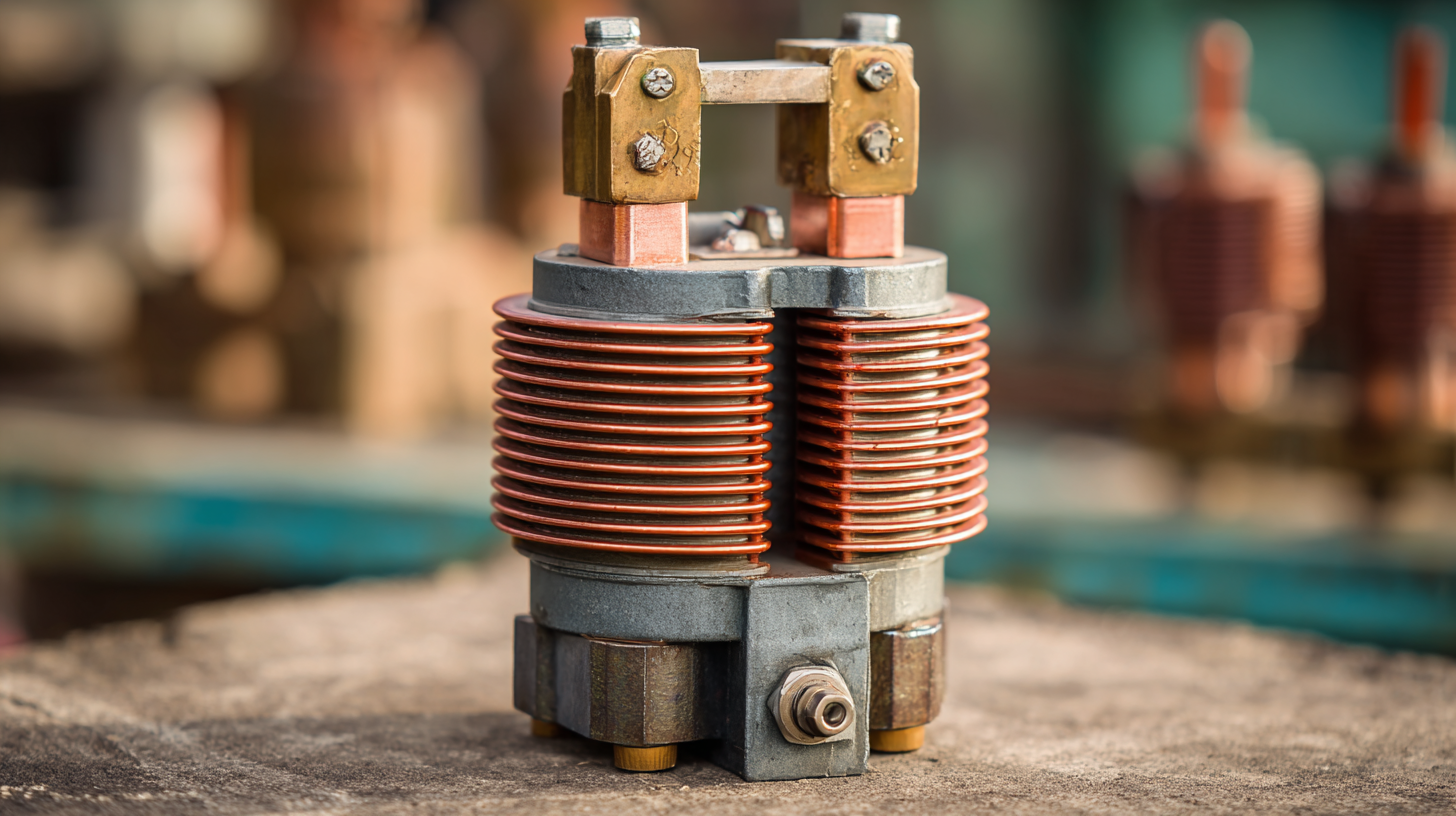
Future Trends: Innovations in Cb Current Transformer Technology and Market Growth
The future of CB current transformers actually looks pretty bright, with lots of growth and fresh innovations on the horizon. It’s mainly fueled by all the new tech coming out and the rising demand for smarter ways to manage energy. I came across this recent report from MarketsandMarkets, and it says the global market for current transformers could hit around $3.8 billion by 2027 — that’s quite a jump from where it’s at now, and it’s growing at a rate of about 6.2% annually since 2022. A big part of that push is because more people are using renewable energy sources, and there’s a bigger need for better monitoring systems within power grids to keep everything running smoothly.
You know, one tech that’s really shaking things up is digital current transformers. They’re not just more accurate; they also let us do real-time monitoring and communicate better with other systems, which is kinda a game-changer for modern power setups. Plus, with the growing use of IoT in these transformers, we’re looking at smarter data analysis, predictive maintenance, and overall better energy distribution — all of which can make a huge difference in efficiency. I also read in another report from Research and Markets that IoT-based solutions in electrical monitoring are set to see a serious boost, showing just how important tech is shaping what’s coming next for CB current transformers.
Trends in Cb Current Transformer Technology
This bar chart illustrates the growth of the global market revenue for Cb Current Transformers from 2018 to 2022, highlighting the upward trend and increased adoption of innovative technologies within the industry.
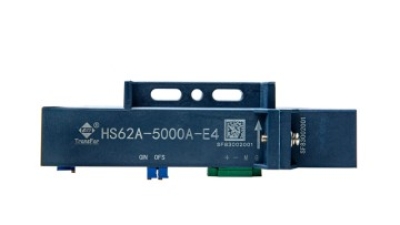
Harnessing the Power of HS62-5000A-E4 Current Sensor: Enhancing Efficiency in Industrial Applications
The HS62-5000A-E4 Current Sensor stands at the forefront of enhancing efficiency in industrial applications. This open-loop Hall current sensor offers rapid response times and a wide bandwidth, making it an ideal choice for measuring isolated DC, AC pulses, and even irregular current. Its construction allows for easy integration within existing systems, providing analog signal output through a 2.54 pitch or European standard terminal link, thus simplifying installation and connectivity.
In high-power supply environments, the HS62-5000A-E4 sensor’s capabilities shine. Its ability to accurately measure various current types ensures that industries can monitor and optimize their electrical performance effectively. This versatility is crucial for applications ranging from industrial machinery to renewable energy systems, where precise current measurement can lead to improved efficiency and reliability. By harnessing the power of this advanced sensor, industries can achieve better operational control and lower energy costs, paving the way for a more sustainable and efficient future.
FAQS
: Current transformers are used to safely monitor and measure electrical currents in industrial applications, allowing for data collection without direct engagement with the electrical load.
Cb current transformers are designed for high-voltage environments, providing critical data that is essential for the operation and protection of electrical systems.
Cb current transformers utilize electromagnetic induction to transform high currents into lower, manageable values, typically reducing 1000 A to just 5 A for easier measurement.
Cb current transformers are commonly used in substations, industrial plants, and renewable energy installations for precise current measurement to optimize performance and reduce risks.
The benefits include providing accurate current measurements, protecting sensitive equipment from overcurrent situations, enhancing safety, and facilitating easier troubleshooting and maintenance.
Analog Cb current transformers are known for their simplicity and robustness but can be affected by external interferences, while digital Cb current transformers offer higher precision, real-time data processing, and better integration with digital systems.
Digital Cb current transformers provide higher accuracy, advanced features, and compatibility with modern communication protocols, allowing for better integration into sophisticated monitoring systems.
Someone might choose analog Cb current transformers for their reliability and simplicity, particularly in applications where cost and straightforward installation are prioritized.
The choice largely depends on specific electrical application needs, including the required accuracy, budget considerations, and the complexity of installation and maintenance.
Conclusion
In today’s fast-changing world of electrical engineering, Cb Current Transformers (or CTs for short) are pretty crucial when it comes to making power systems safer and more efficient. This guide is here to walk you through the basics of Cb CTs, showing you how they’re essential in different industries. We’ll also talk about the main benefits—like how they improve measurement accuracy and keep things running smoothly and reliably.
Plus, we’ll compare analog and digital Cb CTs to help you understand how they stack up performance-wise. And don’t worry, we’ve got tips on how to install them correctly so everything works at its best. As standards and regulations get stricter, it’s more important than ever to stay up-to-date, and this guide aims to give you useful insights. Finally, we’ll peek into what's coming next for Cb CTs—like new tech and trends, especially as markets grow with newer energy applications. All of this ties back to what we’re passionate about here at Beijing TransFar Electronics Group Co., Ltd.: leading the way with innovative electrical solutions that really make a difference.