Hey there! So, in today's pretty fast-changing energy world, the need for really good Transformers And Current solutions has become more crucial than ever. If you haven’t heard, a recent report from MarketsandMarkets predicts that the global transformer market could hit around $78 billion by 2025—growing at roughly 6% annually. Pretty impressive, right? This surge basically comes from more countries turning to renewable energy sources and the ongoing push to expand smart grid networks. Here at Beijing TransFar Electronics, we’re all about pushing the envelope—focusing on cutting-edge stuff like new energy sensors for voltage and current, as well as specialized transformers. Our dedication to quality and innovation helps us stay ahead of the curve, providing key components that power the move toward greener, more sustainable energy. In this guide, we’re going to dive into some smart strategies for sourcing top-notch transformers and current systems worldwide—so you can keep your edge in this pretty competitive scene.
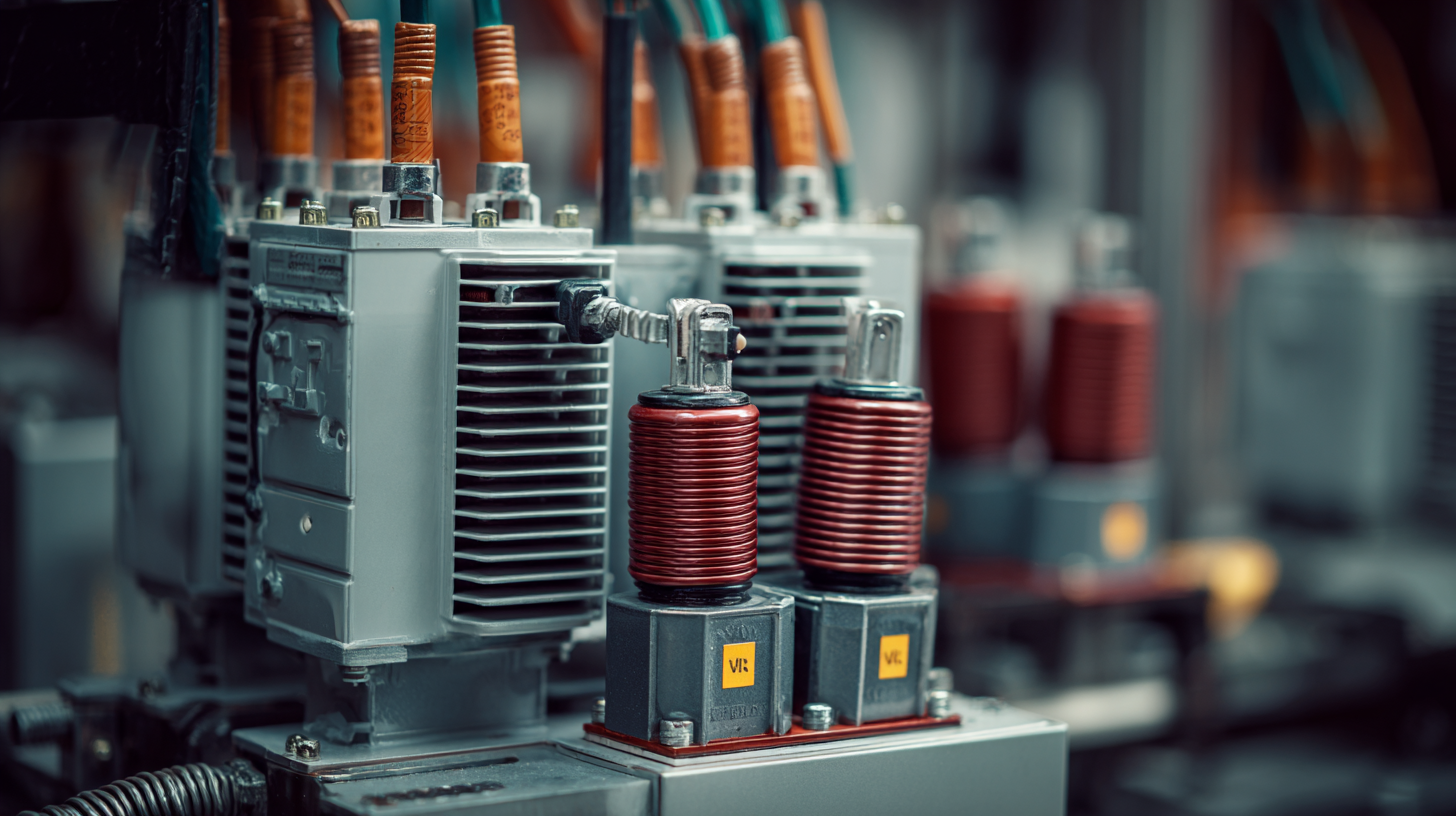
Understanding the Importance of High-Quality Transformers in Electrical Engineering
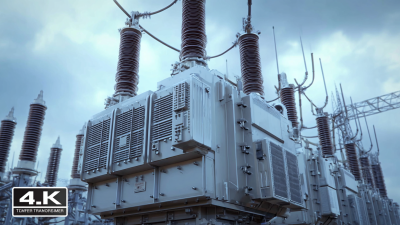
High-quality transformers are pretty essential when it comes to keeping electrical systems running smoothly and reliably. According to the International Energy Agency (IEA), about 70% of energy losses in power systems actually come down to transformers that just aren’t performing well enough. It really highlights why it’s so important to choose top-notch transformers that not only meet industry standards but also boost overall system performance. When you get a well-designed transformer, it helps cut down on energy waste—which means lower operational costs and a more sustainable energy setup.
On top of that, a report from MarketsandMarkets shows that the global transformer market is expected to hit around $73.3 billion by 2025, growing at a compound annual rate of about 6.5% since 2020. That’s a pretty clear sign that demand for quality transformers is on the rise across different sectors, especially in renewables, where efficient power conversion really matters. Investing in the latest transformer tech isn’t just smart for electrical engineers — it’s crucial for building reliable solutions that handle growing energy needs, keep systems stable, and even help reduce environmental impacts.
Identifying Reliable Sources for Transformers: Key Considerations and Strategies
When you're on the hunt for top-notch transformers, finding trustworthy suppliers is super important. It’s not just about flipping through a catalog; you really need to dig into what these companies can do. Talking to suppliers from around the world means considering a few key things. First off, it helps a lot to have a solid grasp of how complicated the electrical grid is, especially now that we’re trying to make systems more secure and reliable. You know, with all the talk about integrating distributed generation, there are some real challenges—like making sure those vital components, transformers included, hold up well. Doing your homework on a supplier’s past experience with cutting-edge tech, like HVDC and HVAC systems, can save you headaches down the line and reduce the risks of choosing the wrong partner.
Plus, as renewable energy keeps getting more and more important in the whole energy transition, it’s crucial to work with suppliers who really get how to incorporate energy storage tech. The push for sustainable policies means we need transformers that not only cover today’s needs but also meet future efficiency standards. By focusing on suppliers that invest in research and innovation, businesses can keep their supply chains steady and adaptable to the ever-changing energy landscape. All in all, it’s about finding those partners who are genuinely forward-thinking and prepared for what’s next in energy tech.
Global Transformer Sourcing Quality Analysis
Evaluating Current Solutions: Analyzing Performance and Efficiency Metrics
When it comes to keeping up with the latest in high-quality transformers and current tech, really digging into how they perform and how efficient they are is super important. Industry reports show that a transformer’s performance can make or break the overall efficiency of energy systems. For example, the U.S. Department of Energy mentions that most transformers manage to hit efficiency rates between 95% and 99%. And, if you go for high-efficiency models, you can cut down those pesky energy losses quite a bit. So, figuring out what metrics to look at when assessing transformers is a big deal for both manufacturers and folks just trying to get the best bang for their buck.

At Beijing TransFar Electronics Group Co., Ltd., we’re right in the thick of this tech evolution. We offer some pretty cool solutions like new energy current and Voltage Sensors, along with specialized transformers. Our designs don’t just meet industry standards—they often surpass them! Plus, recent research shows that using advanced materials in transformer construction can boost efficiency by about 10-15%. That’s a game-changer for companies wanting to get more out of their energy systems and save on operational costs. By paying close attention to these key performance metrics, businesses can really boost their edge, especially in the growing renewable energy space.
Global Market Trends: Sourcing Transformers from Emerging and Established Markets
The global transformer market is really changing fast these days. A big part of that is because there's a growing need for energy efficiency and more renewable energy sources. I recently came across a report from the International Energy Agency (IEA) that projects the market to hit around $25 billion by 2025. What’s interesting is that emerging markets, especially in Asia-Pacific and Africa, are leading the charge thanks to increased investments in infrastructure. These places are seeing a boom in power generation demand, which of course affects how they source high-quality transformers.
When you look at the emerging markets like India and China, they’re becoming pretty important players in the transformer scene. According to a report from MarketsandMarkets, the Asia-Pacific region alone is expected to hold over 45% of the market share by 2024. This shift is mainly driven by government efforts to boost power capacity and make the grids more reliable. On the other hand, the more established markets in North America and Europe are shifting their focus towards cutting-edge tech and eco-friendly options. This pushes manufacturers to get more innovative and adapt to newer, stricter regulations. All these changes really underline how crucial it is for companies to think carefully about how they source their transformers—balancing cost, quality, and sustainability as the market keeps evolving.
Navigating Compliance and Certifications for Quality Assurance in Transformer Procurement
When you're on the hunt for top-quality transformers, paying attention to compliance and certifications is a big deal. These details are pretty much the backbone of making sure you’re getting reliable stuff. Suppliers should follow international standards like ISO, IEC, and UL — these are the go-to benchmarks for safety, efficiency, and how long the product will last. Looking into these certifications isn't just about ticking boxes; it actually helps you spot reputable manufacturers and avoid ending up with subpar products that could cause headaches down the line.
**Pro tip:** Before you seal the deal with any supplier, ask for detailed proof of their compliance certifications. And don’t just take their word for it — verify those documents directly with the issuing organizations to make sure they’re legit and up-to-date.
Dealing with global sourcing can get pretty tricky, especially when you consider regional rules and regulations. Different countries might have certain safety or environmental standards that transformers need to meet. Being aware of these local requirements will help you make smarter decisions and steer clear of legal troubles.
**Another tip:** If you can, bring in local experts or consultants who really know the ins and outs of the compliance scene in the area you’re working with. Their insights can make the whole process way smoother and help you avoid costly mistakes in procurement.
Best Practices for Negotiating and Finalizing Transformer Supply Agreements
When it comes to sourcing transformers, let’s be honest — negotiating and sealing those supply deals can really make or break the quality and reliability of your products. The global market is only getting bigger too. In fact, online monitoring of transformer adjustments is expected to jump from $120 million in 2022 up to around $280 million by 2030, growing at about 14.5% a year. That’s a pretty clear sign that companies need to get smart about best practices—making sure they're balancing quality and costs in their agreements.

So, a few tips to keep in mind: First off, always be transparent and clear about specifications when you’re negotiating. Nobody likes surprises, right? When quality standards are clearly laid out, it cuts down on misunderstandings and makes sure everyone’s on the same page about performance and delivery expectations. Also, do your homework on the supplier—dig into their background and recent innovations. For example, if they’ve recently introduced a lightweight medium voltage flexible interconnection device, that’s a sign they’re pushing boundaries and could be a good partner.
And don’t forget about the regulatory stuff, especially if you’re dealing across borders. Take India, for example—by 2025, foreign manufacturers exporting there need to meet the Bureau of Indian Standards certification. Making sure your supplier is compliant isn’t just about smooth sailing with paperwork; it actually helps boost your reputation and trust in the market. So, when you’re negotiating, try to include clauses that cover these regulations but also keep costs in check. It’s all about being prepared and making strategic moves that work for everyone involved.
FAQS
: High-quality transformers enhance the efficiency and reliability of electrical systems by minimizing energy loss, which helps lower operational costs and improves energy sustainability.
Approximately 70% of electrical energy losses in power systems are attributed to inefficient transformer operations.
The global transformer market is projected to reach $73.3 billion by 2025, growing at a CAGR of 6.5% from 2020.
Emerging markets in Asia-Pacific and Africa are leading the growth in the transformer market due to increasing infrastructure investments.
Investing in superior transformer technology is essential for electrical engineers to implement robust solutions that meet increasing energy demands while ensuring system stability and reducing environmental impacts.
The Asia-Pacific region is expected to hold over 45% of the transformer market share by 2024.
Established markets are focusing on advanced technologies and eco-friendly solutions, prompting manufacturers to innovate and adapt to new regulatory standards.
Increasing infrastructure investments and government initiatives aimed at expanding power capacity and improving grid reliability are influencing the sourcing of high-quality transformers in emerging markets.
Companies must balance cost, quality, and sustainability in their sourcing strategies amid a rapidly changing market landscape.
Renewable energy increases the demand for high-quality transformers, as efficient power conversion is vital for its integration into the power grid.
Conclusion
When it comes to high-quality transformers and current solutions, really understanding why they matter in electrical engineering is pretty important. This guide is meant to walk you through the key things you should keep in mind when sourcing transformers — like how to find reliable suppliers, what performance factors to look at, and keeping an eye on global market trends. It also emphasizes how crucial compliance and certifications are to guarantee you’re getting quality stuff. Plus, it gives some handy tips on negotiating and wrapping up supply deals, so you can build solid partnerships.
At Beijing TransFar Electronics Group Co., Ltd., we’re passionate about pushing the boundaries in transformer and current tech through innovative R&D. We’re always working on cutting-edge stuff like new energy sensors and special transformers, aiming to meet the increasing market needs while sticking to the highest standards of quality and performance.