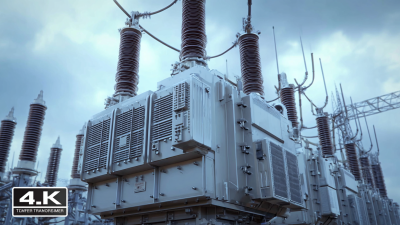
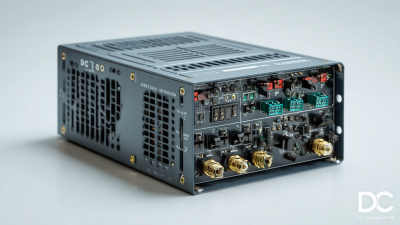
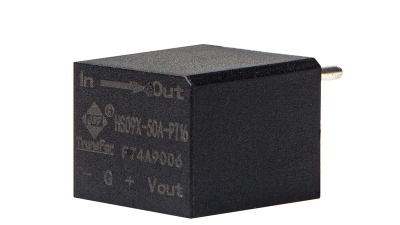
In today’s fast-moving energy world, you can’t underestimate how important reliable Voltage Sensors really are. They’re pretty much essential for keeping electrical systems in check, especially now with new energy tech and electric vehicles taking center stage. At Beijing TransFar Electronics Group Co., Ltd., we get it — good manufacturing starts with sticking to industry standards. That’s why we put so much into ensuring our products are top-notch. Our lineup has everything from advanced voltage sensors to reactors and Transformers. We focus on innovative design and solid research to make sure every product delivers on performance and reliability.As we grow our presence around the globe, our goal is to set industry benchmarks so our customers get the best of the best when it comes to voltage sensor tech. Check out how our products don’t just meet expectations—they go beyond, boosting energy efficiency and safety across all sorts of applications.
Key Features to Look for in a High-Quality Voltage Sensor
When you're choosing a high-quality voltage sensor, it’s really important to pay attention to some key features that guarantee reliability and efficiency. First off, accuracy is a big deal. A really good voltage sensor gives you real-time data, which can help you avoid major failures in your electronic setups. Plus, it’s smart to pick sensors with a wide measurement range — this kind of flexibility means you can use them in lots of different situations without losing performance.
Another thing to keep in mind is response time. You want a sensor that reacts quickly to voltage changes — that’s crucial for real-time monitoring and protecting your electrical systems. It’s also worth looking for sensors that have solid built-in protections against overvoltage or surges. That kind of stuff really helps the sensor last longer and stay durable.
Pro tip: Always check out manufacturers that follow industry standards, because that usually means their products are reliable. And don’t forget to read customer reviews — they give you a pretty honest idea of how the sensors perform in real-world situations. Spending a bit more on a quality voltage sensor isn’t just about better performance; it also makes your system safer and more efficient overall.
Voltage Sensor Quality Comparison
This chart compares key features of high-quality voltage sensors against standard options, highlighting the advantages of quality selection based on accuracy, response time, temperature range, durability, and cost. Investing in higher quality sensors can lead to better performance and reliability in various applications.
Essential Industry Standards That Define Voltage Sensor Quality
When you're dealing with voltage sensors, sticking to the right industry standards is super important to make sure they’re reliable and perform well. These standards cover a bunch of things like accuracy, safety, and how well they stand up to tough environmental conditions. For example, meeting IEC standards gives folks confidence that the sensors can handle demanding situations — which is especially key for new energy projects. High-quality sensors don't just boost efficiency; they also make electrical systems safer overall.
At Beijing TransFar Electronics Group Co., Ltd., we really prioritize quality and innovation, and that’s what sets us apart when it comes to new energy tech. Our range of voltage sensors is built with strict adherence to industry standards, so you know they’re durable and perform at a high level. Investing in top-notch sensors means your operations are more reliable, maintenance costs drop, and it all adds up to a more sustainable energy future. Basically, understanding and sticking to these standards isn’t just a box to check — it’s a crucial step toward better tech and smarter energy management.
Understanding Industry Standards for the Best Voltage Sensor
| Standard | Description | Voltage Range (V) | Accuracy (%) | Response Time (ms) | Environmental Rating |
| IEC 61010 | Safety requirements for electrical measuring instruments | 0 to 600 | ±1 | 10 | IP65 |
| ISO 17025 | General requirements for the competence of testing and calibration laboratories | 0 to 1000 | ±0.5 | 5 | IP54 |
| UL 61010 | Standard for safety of electrical measuring devices | 0 to 750 | ±2 | 15 | IP67 |
| EN 61000 | Electromagnetic compatibility requirements | 0 to 500 | ±1.5 | 20 | IP65 |
The Importance of Certification and Compliance in Voltage Sensors
When it comes to voltage sensors, certification and compliance are a big deal—these things really matter for safety and making sure everything runs smoothly. Industry standards set the baseline for performance and safety, which is especially important since these sensors are used in all sorts of fields like manufacturing, energy, and automotive. Picking a voltage sensor that’s certified according to these standards not only boosts reliability but also gives you some peace of mind, whether you're a manufacturer or just using it yourself.
Quick tip: Always look out for certifications like ISO, CE, or UL when you're shopping for voltage sensors. These usually mean the product has been thoroughly tested for quality and safety, so you’re not left guessing.
And on top of that, sticking to certified gear helps cut down on risks—like electrical failures—which can be a real headache. If you go with uncertified sensors, you might end up jeopardizing system performance or even risking safety hazards. So, making sure your sensors are compliant isn’t just a good idea, it can save you time, money, and trouble down the line.
Another tip—try to work with suppliers who are open and honest about their certification process. That builds trust and also makes sure you’re getting a product that ticks all the legal and safety boxes. Ultimately, going the certified route is just a smarter move for keeping everything running safely and efficiently.
Benefits of Investing in Reliable Voltage Sensors for Your Application
When it comes to ensuring everything runs smoothly—whether in industrial automation or renewable energy setups—investing in reliable voltage sensors really pays off. High-quality sensors help you keep a close eye on electrical systems with much better precision, making sure they stay within safe limits. That kind of dependability isn't just about peace of mind; it can actually save you a lot of headaches and money. Voltage swings or fluctuations can cause equipment damage or costly downtime, so choosing trusted brands means you’re less likely to run into surprises. Plus, accurate readings are key to keeping machines running without hiccups.
And let’s not forget, top-notch voltage sensors often come with extra features—like being tough enough to handle tough environments and resisting weather, dust, or other harsh conditions. They’re built to last, so you don’t have to keep replacing them all the time. Investing in quality might seem like a bigger upfront cost, but honestly, it’s a smart move that can save you money in the long run. Fewer replacements, less maintenance—these are the kinds of benefits that boost your overall return on investment.
At the end of the day, picking reliable sensors isn’t just about making things work today; it’s about building a sturdy foundation for ongoing efficiency and peace of mind in any electrical system you’re managing.
Common Misconceptions About Voltage Sensors and Their Capabilities
When you're talking about voltage sensors, it’s pretty common to run into a bunch of misconceptions that can really muddy the waters about what they can actually do. For example, a lot of folks think that all voltage sensors are equally accurate and reliable. But the truth is, there’s quite a bit of variation depending on how they’re designed and manufactured. The International Electrotechnical Commission (IEC) even reports that high-quality sensors can measure with uncertainties as low as 0.1%, which is a huge difference compared to cheaper, lower-end models.
And then there’s this myth that voltage sensors are only useful for really high-voltage stuff. That’s not quite right anymore, thanks to tech advances. Nowadays, we have super sensitive sensors that work just as well in low-voltage situations, like in electric vehicle systems. In fact, a study by IEEE points out that using precise voltage sensing in electric vehicle motor testing isn’t just about getting better measurements—it actually helps improve overall performance and energy efficiency. These sensors give real-time data that makes decision-making easier and boosts efficiency, tackling a lot of the problems old testing methods used to have.
How to Evaluate and Choose the Right Voltage Sensor for Your Needs
When you're trying to pick the right voltage sensor for your project, there are a few important things to keep in mind to make sure it works well and lasts. First off, think about the measurement range. Different situations call for sensors that can handle different voltage levels. For example, if you're working with low-voltage circuits, you'll want something that can pick up even tiny changes. But if you're dealing with high-voltage stuff, you’d need a sensor that can handle those bigger numbers without breaking a sweat.
Also, don’t forget to consider how accurate the sensor is and how fast it responds. A high-precision sensor that reacts quickly can really make your monitoring more effective—giving you real-time data that helps you make quick decisions. It’s also worth checking how tough the sensor is, especially if it’s going to be in harsh environments with extreme temperatures, humidity, or electromagnetic interference. Picking a sensor that’s tested and meets industry standards means it’ll last longer and keep reliable in your specific setup.
Enhancing Efficiency in Industrial Power Management: A Deep Dive into the HS08-A-P Series Current Sensor's Impact on Performance Metrics
In today's fast-paced industrial landscape, efficient power management is paramount. The HS08-A-P Series Current Sensor stands out as a pivotal tool designed to enhance performance metrics across various applications. By employing advanced technologies such as Hall Effect sensors and Rogowski coils, this current sensor ensures precise electronic measurement of various current forms—DC, AC, and pulsed currents—while prioritizing safety through galvanic separation. This separation not only protects sensitive measurement equipment from electrical faults but also maintains the integrity of both primary and secondary circuits.
The significance of reliable and safe current measurement cannot be overstated, particularly in critical sectors like industrial automation and renewable energy systems. With its ability to detect current flow without direct electrical contact, the HS08-A-P Series Current Sensor mitigates the risk of interference and enhances the overall efficiency of power management systems. This innovation paves the way for improved performance metrics by allowing facilities to monitor energy consumption accurately, identify inefficiencies, and proactively address potential issues. In essence, the HS08-A-P Series is more than just a current sensor; it is an integral component for ensuring operational excellence and safety in industrial applications.
FAQS
: Accuracy is the most important characteristic to consider, as it ensures precise real-time data, helping to prevent critical failures in electronic systems.
A wide measurement range allows the sensor to be used in various applications without compromising performance, enhancing its versatility.
Quick response time is vital for real-time monitoring and protection of electrical systems, allowing for prompt reactions to voltage changes.
High-quality voltage sensors should have robust protection mechanisms against overvoltage and surges to ensure longevity and durability.
Adhering to industry standards ensures product reliability, performance, and the ability to operate effectively under demanding conditions, especially in new energy applications.
Reading customer reviews provides first-hand information about the sensor's performance in practical applications, helping guide your choice significantly.
Investing in top-tier voltage sensors can lead to increased operational reliability, reduced maintenance costs, and enhanced safety in electrical systems.
They specialize in voltage sensors designed with rigorous adherence to industry standards, ensuring exceptional performance and durability in new energy solutions.
By improving system performance and safety, high-quality voltage sensors can lead to a more sustainable energy future through better energy management solutions.
Buyers should consider manufacturers that comply with industry standards and assess product performance through customer reviews before making their choice.