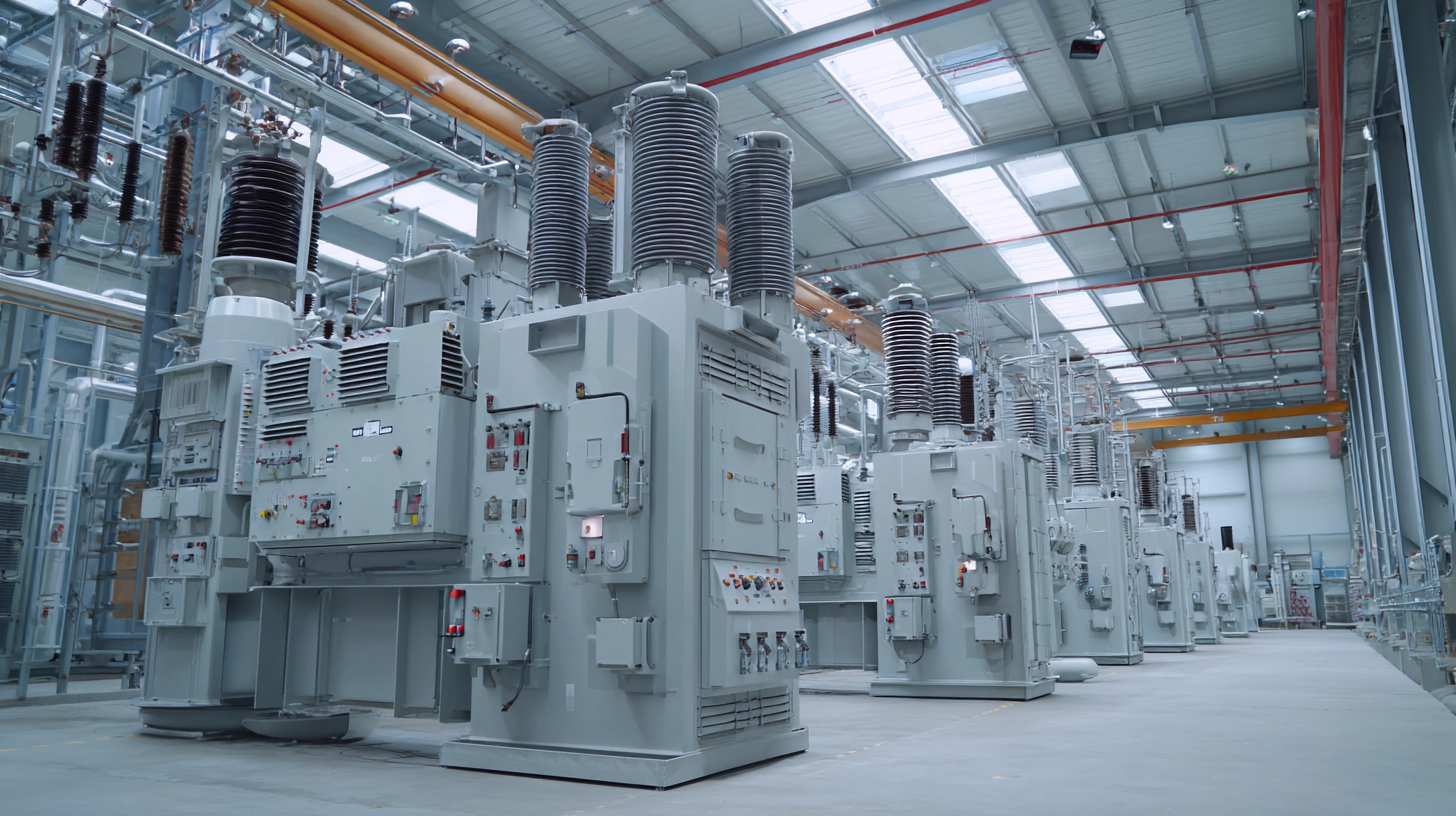
Nowadays, with power systems changing so fast, Power Transformers are more important than ever. They’re basically the backbone of our modern energy setup, making sure electricity gets sent out smoothly and safely over long distances. At Beijing TransFar Electronics Group Co., Ltd., we really get how crucial these components are in keeping things running. We're always pushing the envelope when it comes to tech — from research and design right through to manufacturing, especially when it comes to new energy solutions like specialized transformers that boost efficiency and help make power systems more sustainable. In this blog, I’ll take a closer look at what Power Transformers do, why they’re vital in today’s energy world, and how innovative companies like ours are playing a part in building a smarter, greener energy future.
The Essential Components of Power Transformers Explained
Power transformers are pretty much the backbone of modern electrical systems. They’re the ones that step voltage up or down, making sure electricity gets where it needs to go safely and efficiently. At their heart, these transformers have a few key parts that work together to keep everything running smoothly. The main component is the core, usually made from laminated silicon steel. This helps improve magnetic efficiency and cuts down on heat losses — nobody likes excess heat, right? The core acts like a controlled pathway for magnetic flux, which is super important for transferring electrical energy from one circuit to another without fuss.
Then, there are the windings, often made from copper or aluminum. These are the coils wrapped around the core, and they're what create the magnetic fields needed for voltage induction. The way the windings are configured—how many turns they have—really affects how the voltage is transformed. That’s basically how the transformer decides how much voltage gets boosted or reduced. Oh, and of course, there’s insulation material that separates and protects the windings, keeping everything safe and working well even under different conditions. All in all, knowing how these parts fit together really helps us appreciate just how important power transformers are for keeping our lights on and our devices running smoothly around the world.
How Power Transformers Ensure Efficient Voltage Regulation
Power transformers are pretty much the backbone when it comes to making sure our electrical systems run smoothly and efficiently. These little guys do a lot—by stepping up the voltage for long-distance transmission, they help cut down on energy losses, and then they step it back down so it’s safe for your home appliances and gadgets. Keeping the voltage steady isn’t just about reliability; it also protects sensitive equipment from those pesky fluctuations that can cause damage or weird malfunctions.
If you want your power transformers to keep doing their job well and last longer, regular maintenance is really key. Things like checking for worn-out insulation or spots where they might be overheating can save you from those costly outages down the line. Plus, using some of today’s fancy monitoring tech allows operators to watch performance in real-time, so any small issues can be caught and dealt with quickly.
And let’s not forget about choosing the right transformer size and type. It’s tempting to go big or small without thinking, but an oversized transformer just wastes energy and money, while one that’s too small won’t meet the demand properly. That’s why doing a proper load analysis during planning is a must—it helps find that sweet spot, making sure everything runs efficiently and saving energy in the long run.
Key Factors Influencing Power Transformer Performance
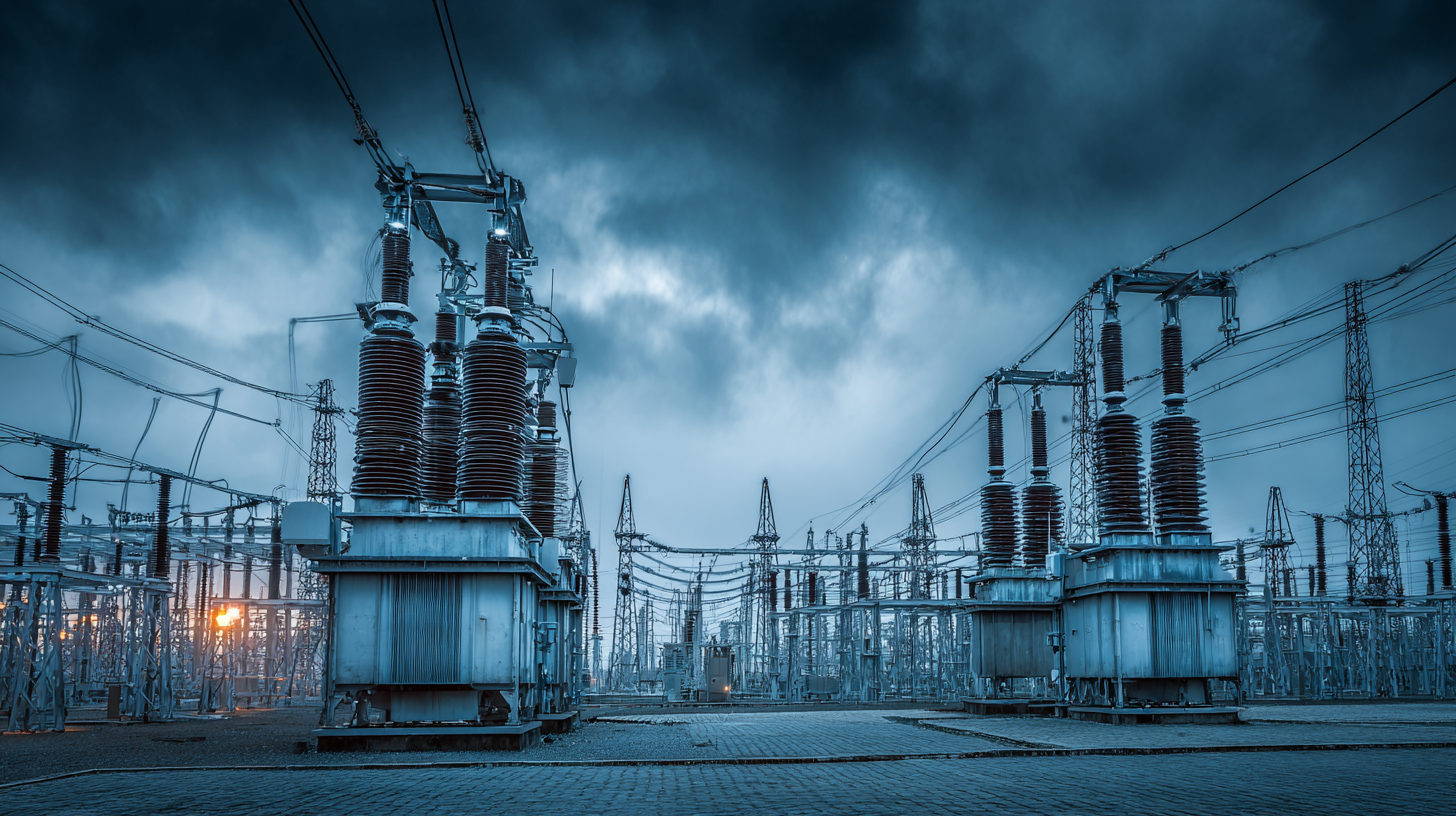
Power transformers are such a crucial part of today's power systems. They really do the heavy lifting when it comes to transmitting and distributing electricity efficiently. There are quite a few factors that can impact how well they perform, which in turn affects the reliability of the whole grid and how smoothly everything runs. One biggie is their design and what materials are used in construction — these directly influence how well they handle heat, insulating properties, and how long they last. Using top-quality materials not only makes them more efficient but also cuts down on energy losses and makes them tougher overall.
Here's a tip: when you're choosing a transformer, think about the environment it’s gonna be working in. Good cooling systems help stop it from overheating, and protective coatings that resist moisture and rust can really boost its lifespan and performance.
Another thing that’s super important is how you take care of these transformers. Regular check-ups and oil testing can catch problems early before they turn into big issues. Plus, using predictive maintenance — like real-time sensors monitoring temp, load, and insulation — can really make a difference. It helps you stay ahead of potential troubles and keeps things running smoothly.
So, yeah, staying on top of proper maintenance and choosing the right materials and cooling methods can make all the difference in keeping power flowing reliably and efficiently.
Maintenance Tips for Extending Transformer Lifespan
Taking good care of power transformers is super important if you want them to last longer and work at their best. Regular check-ups can really save you from bigger issues down the line. For example, technicians should keep a close eye out for signs like overheating, odd noises, or oil leaks—that stuff can be telltale signs something’s off. It's also key to keep an eye on coolant levels and make sure the insulation isn’t worn out. Using some of the latest diagnostic tools can actually help spot problems early and fix things before they turn into costly failures.
On top of routine inspections, making sure the environment is just right plays a big part too. Transformers don’t like it too damp, dusty, or exposed to corrosive stuff. Having a regular cleaning and servicing schedule for parts like bushings, cooling systems, and circuit breakers can really add years to their lifespan. And don’t forget—training staff on the best maintenance practices is a must. It helps keep everything running smoothly and efficiently in today’s power grids. All these little things make a huge difference!
Understanding Power Transformers Lifespan Factors
This bar chart illustrates various factors that can impact the lifespan of power transformers. Monitoring these key factors such as temperature, humidity, vibration, oil quality, and load can help in the maintenance and longevity of transformers in modern power systems.
The Impact of Digital Technology on Transformer Monitoring and Control
In today's power landscape, digital technology has really changed the game when it comes to how we monitor and control transformers. Gone are the days when maintenance depended mainly on scheduled inspections and folks manually collecting data — that often meant costly downtime and inefficiencies. Now, with digital solutions on the scene, utilities can keep a close eye on transformers in real time, so they can fix issues before they turn into big problems. This proactive approach not only makes the grid more reliable but also saves money in the long run.
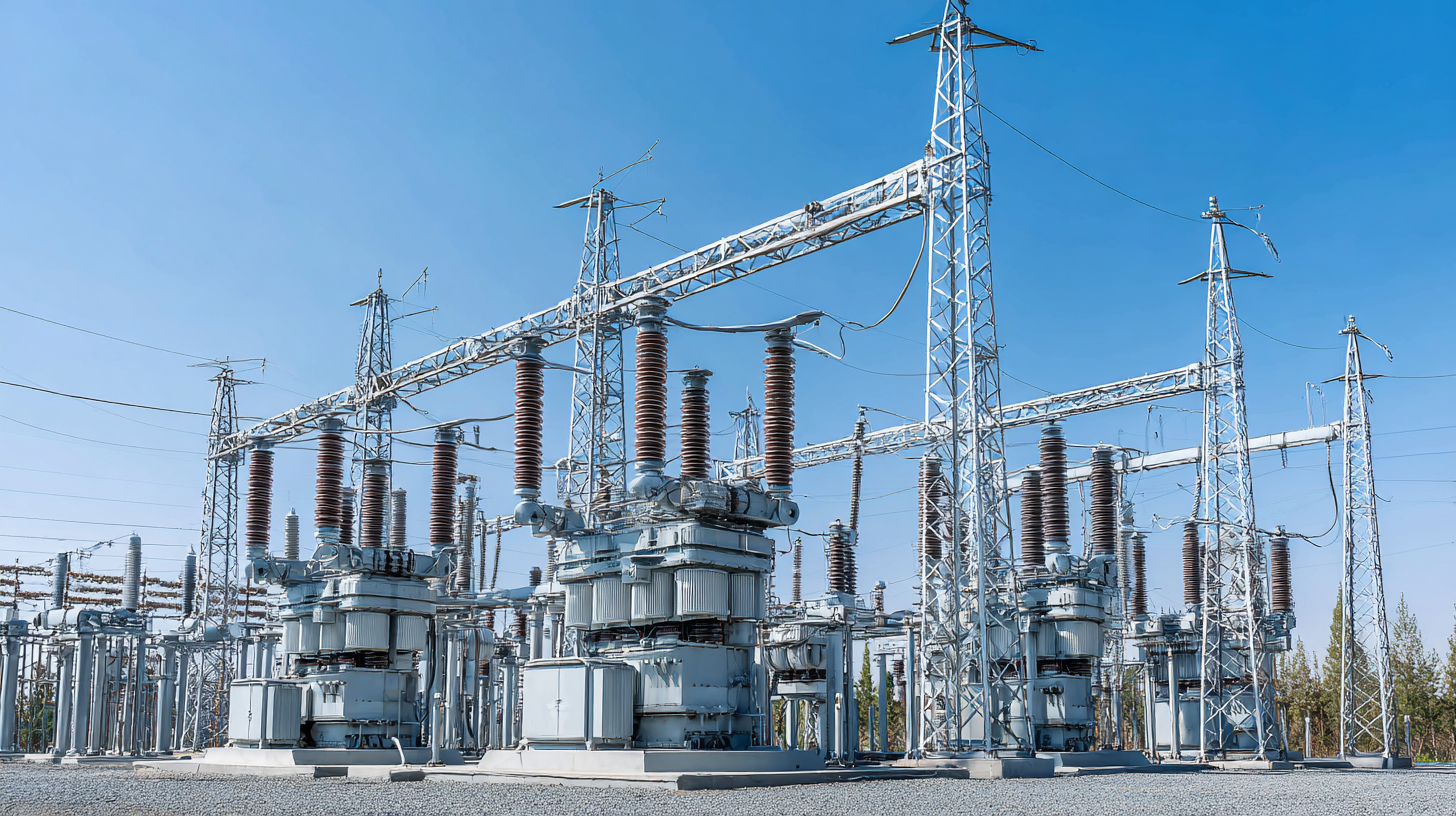
Thanks to advanced sensors, IoT gadgets, and data analytics, managing transformers has become way smarter. By tracking things like temperature, humidity, and how much load they’re bearing, operators get a pretty clear picture of their health. And with that info, they can spot potential failures early — often before anyone even notices a problem. This extends the lifespan of the equipment and helps cut operational costs because resources are used more efficiently. As digital tech keeps evolving, being able to optimize transformer performance and make decisions based on solid data will be key to keeping our power systems stable and efficient — no doubt about it.
Future Trends in Power Transformer Design and Application
As the world keeps demanding more reliable and efficient energy solutions, the way we design and use power transformers is really evolving to keep up with the needs of modern power systems. One of the coolest trends we’re seeing right now is the integration of smart technology into transformers. These smart transformers, equipped with fancy sensors and communication gadgets, can actually keep an eye on their own performance in real time. This means they can predict issues before they happen and schedule maintenance proactively — which really helps cut down on downtime. Not only does this boost efficiency, but it also helps save money in the long run.
On the flip side, there's a growing push for more sustainable and eco-friendly designs. Manufacturers are getting more serious about reducing the environmental impact of transformers—think biodegradable insulating fluids and designing units that produce fewer emissions over their lifetime. These innovations match up with global goals for better sustainability and give our energy systems a lighter footprint overall. Plus, advances in materials, like using amorphous steel, are making transformers that use less energy and lose less power. All in all, these trends are shaping how power transformers will look and work in the future—and it’s pretty exciting to see how it all unfolds.
Understanding Power Transformers and Their Critical Role in Modern Power Systems
| Dimension | Current Trends | Future Trends |
| Efficiency Improvements | Higher efficiency ratings reaching up to 99% | Implementation of AI for real-time efficiency optimization |
| Material Innovations | Use of amorphous steel for reduced losses | Research into superconducting materials |
| Smart Grid Integration | Remote monitoring and diagnostics | Full integration with decentralized generation sources |
| Environmental Considerations | Adoption of biodegradable insulating oils | Regulations leading to zero-emission transformers |
| Weight Reduction | Use of lightweight materials for reduced weight | Advanced designs minimizing structural requirements |
Exploring the Benefits and Applications of Box-Type Current Transformers for Enhanced Electrical Measurements
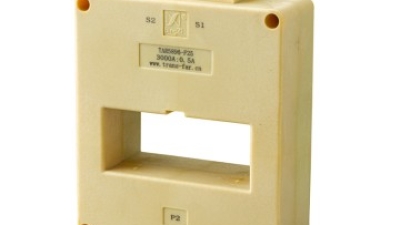
The box-type Current Transformer (CT) has emerged as a pivotal tool in the realm of low-voltage electrical systems, specifically designed to operate at AC 660V. Its versatile applications in measurement, relay protection, and system monitoring highlight its integral role in enhancing electrical measurements. With a wide measurement range from 0 to 6000A, these transformers can cater to various operational demands, making them suitable for different electrical fields.
One of the key advantages of box-type CTs is the flexibility they offer in application. Users can select a transformer equipped with a window size that corresponds to their actual input and output currents as well as busbar specifications. This adaptability is crucial for ensuring measurement accuracy and maintaining system stability. In environments where precision is critical, having the right CT can help enhance the overall safety and efficiency of power systems.
Furthermore, the deployment of box-type current transformers contributes to robust support for electrical network management. By providing real-time data and accurate measurements, these devices empower engineers and technicians to monitor electrical systems closely, thus facilitating proactive maintenance and swift identification of potential issues. This proactive approach not only enhances operational reliability but also significantly reduces the risk of system failures, leading to a more effective and resilient power distribution framework.
FAQS
: The integration of digital technology allows for real-time monitoring, proactive maintenance, and improved reliability in power delivery, reducing downtime and inefficiencies associated with traditional methods.
Advanced sensors and IoT devices collect data on temperature, humidity, and load conditions, providing operators with insights into transformer health and enabling them to predict potential failures before they occur.
By optimizing transformer performance and facilitating data-driven decisions, digital technology helps in better resource allocation, leading to reduced operational costs.
A significant trend is the integration of smart technology, enabling transformers to monitor performance in real time and allowing for predictive maintenance.
Manufacturers are focusing on eco-friendly designs by using biodegradable insulating fluids and developing transformers with lower life-cycle emissions to minimize environmental impact.
Advancements in materials science, such as using amorphous steel, lead to transformers that consume less energy and generate reduced losses, supporting the transition to greener power solutions.
Real-time monitoring shifts the approach from periodic inspections to proactive maintenance, minimizing downtime and enhancing operational efficiency.
Predictive maintenance is important because it allows operators to address potential issues before they lead to failures, extending the lifespan of transformers and ensuring reliable power supply.
Smart transformers enhance operational efficiency through real-time performance monitoring, which helps in optimizing energy usage and reducing operational costs.
Future developments are expected to focus on smart technologies, sustainability, and advanced materials that enhance the performance and environmental footprint of power transformers.
Conclusion
Power transformers really are the backbone of today’s power systems. They make sure electricity gets transmitted and distributed efficiently, keeping everything running smoothly. In this post, I want to take a closer look at the main parts that make up a power transformer and explain how they work together to keep voltage levels just right across different kinds of applications. We’ll also chat about how factors like maintenance can make a huge difference—helping these vital devices last longer than you might expect.
Plus, I’ll dive into how digital tech is changing the game when it comes to monitoring and controlling transformers. These new tools are boosting efficiency and making things more reliable overall. And of course, we’ll look at some of the latest trends in how these transformers are designed and used, which is pretty exciting considering how fast the energy sector is evolving. Here at Beijing TransFar Electronics Group Co., Ltd., we’re all about pushing boundaries when it comes to innovation in clean energy equipment—including power transformers. We’re pretty proud to be leading the charge in this fast-moving industry.