In today's rapidly evolving energy landscape, understanding the intricacies of Ac-Dc Converters is crucial for both industry professionals and consumers alike. As the demand for more efficient energy solutions grows, projections indicate that the global market for AC-DC converters is expected to reach approximately $30 billion by 2025, driven by advancements in renewable energy technologies and electric vehicle (EV) infrastructure. Companies like Beijing TransFar Electronics Group Co., Ltd. are at the forefront of this innovation, specializing in high-tech components essential for the energy transition, including AC-DC charging piles. This blog aims to demystify the technical specifications of AC-DC converters and provide insights on how to choose the right one to meet diverse energy needs effectively. Understanding these specifications is not only vital for optimizing performance but also for ensuring compliance with industry standards and efficiency regulations.

Key Features of AC-DC Converters: What to Look For
When selecting the right AC-DC converter, understanding the key features that define its performance is crucial. Efficiency is one of the primary factors to consider, as a high-efficiency converter minimizes energy losses during the conversion process, which is particularly important in applications such as electric vehicles and renewable energy systems. Look for converters with advanced features like active power decoupling circuits, which enhance stability and reduce the need for additional components, thereby simplifying the design and improving reliability.
Another essential aspect is the output configuration. Multi-terminal output options are advantageous in applications that require distributing power to multiple loads simultaneously, such as in DC micro-grids. The design of the converter should accommodate varying power demands while maintaining consistent voltage levels. Additionally, for applications with rapid charging requirements, such as electric vehicle charging stations, consider converters that support high power and wide battery voltage range, ensuring that charging happens effectively and swiftly under diverse operating conditions.
Types of AC-DC Converters: Understanding the Options
When selecting the right AC-DC converter, it’s essential to understand the different types available on the market. The most common types include linear and switching converters. Linear converters are known for their simplicity and low noise output, making them ideal for applications requiring stable voltage. However, they can be less efficient and generate more heat. On the other hand, switching regulators are more versatile and offer higher efficiency, making them suitable for applications where size and power efficiency are critical.

When choosing an AC-DC converter, consider the following tips. First, evaluate the output voltage and current requirements of your application to ensure compatibility. Second, look at the converter’s efficiency rating; higher efficiency translates to less energy waste and reduced heat output. Finally, don’t overlook the safety features like short circuit protection and thermal overload protection, which are vital for ensuring long-term reliability in your designs.
Another important factor is the total harmonic distortion (THD). A lower THD value indicates a cleaner output, which is crucial for sensitive electronic components. Be sure to check the specifications for the THD levels and select a converter that meets your application’s needs while minimizing potential interference with other devices.
Advantages and Disadvantages of Various AC-DC Converter Types
When it comes to choosing the right AC-DC converter, understanding the advantages and disadvantages of the various types available is crucial. The most common AC-DC converter types include diode bridge rectifiers, buck converters, and high-frequency link matrix converters. Each type serves different applications and has its unique benefits.
For instance, the six-pulse diode bridge rectifier is well-known for its simplicity and low cost, making it ideal for basic applications where efficiency isn't paramount. However, it also comes with drawbacks, such as the introduction of harmonics into the power system, which can affect overall performance and compliance with regulations. On the other hand, buck converters provide enhanced efficiency and control over output voltage, which is particularly beneficial in electrolysis applications. Yet, they tend to have higher complexity and cost associated with their design and implementation.
Meanwhile, advanced solutions like high-frequency link matrix converters are gaining attention due to their capability for bidirectional energy conversion, further supporting the transition towards sustainable mobility. These converters allow for more flexibility in microgrid applications, enabling efficient energy management in smart grid systems. However, their sophisticated nature often requires skilled engineers for effective operation and maintenance, which can be a downside for smaller or less experienced teams.
Selecting the Right AC-DC Converter for Your Specific Application
When selecting the right AC-DC converter for a specific application, it's crucial to understand the unique demands of your device or system. According to a recent report by Market Research Future, the global AC-DC converter market is expected to reach $10 billion by 2025, indicating a robust growth driven by the rising demand for energy-efficient power solutions in various sectors, including consumer electronics, automotive, and renewable energy. This data underlines the importance of choosing a converter that not only meets performance requirements but also aligns with energy efficiency standards, such as those set by the Energy Star program.
Furthermore, it's important to consider the specifications of the AC-DC converter, such as output voltage, current capacity, and efficiency rating. For instance, a report from Grand View Research highlights that converters with over 90% efficiency can significantly reduce energy consumption and operational costs in the long run. By analyzing these specifications along with the application's load requirements, thermal management considerations, and regulatory compliance, you can make an informed decision that supports both performance and sustainability goals in your projects.
Understanding Technical Specs for AC-DC Converters
This chart presents the key technical specifications of a typical AC-DC converter. Understanding these specifications is essential for selecting the right converter for your specific application, ensuring efficiency and compatibility with your devices.
Cost Considerations When Choosing an AC-DC Converter
When selecting an AC-DC converter, cost considerations play a crucial role, especially in applications involving low-voltage direct current (LVDC) distribution networks. The initial purchase price is often just the tip of the iceberg; long-term operational expenses must also be factored in. This includes energy efficiency, which can significantly impact the total cost of ownership over time. A converter with a higher efficiency rating may have a higher upfront cost, but it can save substantial amounts in energy bills, thereby improving the net present value (NPV) of your investment.
Moreover, the choice of technology influences not only performance but also potential maintenance costs. Advanced converters that minimize supraharmonic emissions can contribute to better power quality and longer equipment lifespan. Opting for reputable manufacturers who provide robust technical support and warranty options can further mitigate unforeseen expenses. Hence, while evaluating AC-DC converters for LVDC applications, a comprehensive financial analysis that takes both immediate and future costs into account is essential to make an informed decision.
Understanding Technical Specs for the Best Ac-Dc Converter and How to Choose the Right One
| Specification | Value | Notes |
| Input Voltage Range | 85-265V AC | Able to handle worldwide voltage inputs |
| Output Voltage | 12V DC | Common for various applications |
| Output Current | 5A | Max load for optimal performance |
| Efficiency | > 85% | High efficiency to reduce energy waste |
| Operating Temperature | -20°C to 70°C | Wide temperature range for durability |
| Cost | $15 - $50 | Price varies by features and performance |
Emerging Technologies in AC-DC Converters: What’s Next?
As the demand for efficient power management continues to rise, emerging technologies in AC-DC converters are set to redefine their role in various applications. Recent industry reports indicate that the global AC-DC converter market is expected to grow at a CAGR of 6.8%, reaching $40 billion by 2025. This growth is driven largely by advancements in semiconductor materials, such as silicon carbide (SiC) and gallium nitride (GaN), which offer higher efficiency and faster switching capabilities compared to traditional silicon-based converters.
One notable trend is the integration of smart technology in AC-DC converters. With the Internet of Things (IoT) revolution, more devices require power converters that can communicate and adapt to fluctuating energy demands. This shift not only enhances energy efficiency but also empowers users with better monitoring capabilities. Implementing features like digital control feedback mechanisms can optimize performance and extend the lifespan of devices by preventing overload.
Tips for Choosing the Right AC-DC Converter:
- Consider Efficiency Ratings: Look for converters with an efficiency rating of over 90%, as they reduce energy waste and operating costs.
- Assess Thermal Management Needs: Choose designs with effective heat dissipation options, especially for applications in high-temperature environments.
- Evaluate Compatibility with Emerging Technologies: Ensure that your chosen converter is compatible with smart grid technologies and can integrate easily with IoT systems for enhanced performance.
Enhance Your Power Solutions: A Deep Dive into Voltage Converters for Efficiency and Stability
In today's fast-paced technological landscape, enhancing power solutions is critical for achieving efficiency and stability. Voltage Converters play a pivotal role in this process, offering versatility in their operation. These converters function in two primary modes: "active" and "passive." This dual functionality ensures that users can optimize their systems according to specific requirements, whether managing AC or DC output signals.
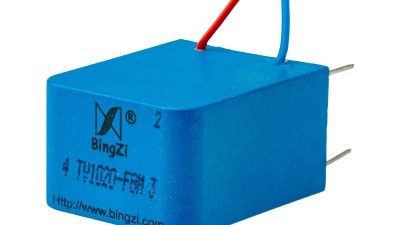
The design of these voltage converters is particularly noteworthy, as they combine the I/V converter and Transformer into a single integrated unit. This integration not only simplifies the setup but also delivers fixed values for nominal input and output voltages. Users can connect the input coil via PCB soldering or flexible wire, providing further adaptability to different system configurations. By harnessing the operational capabilities of voltage converters, businesses and individuals alike can dramatically improve the efficiency and stability of their power solutions, making them an invaluable component in a wide range of applications.
FAQS
Active power decoupling circuits enhance stability in AC-DC converters and reduce the need for additional components, simplifying the design and improving reliability.
Look for multi-terminal output options that are advantageous for distributing power to multiple loads simultaneously, such as in DC micro-grids, while ensuring consistent voltage levels.
The most common types are linear converters, known for simplicity and low noise output, and switching converters, which offer higher efficiency and versatility.
Safety features like short circuit protection and thermal overload protection are essential for ensuring the long-term reliability of designs, preventing damage and failures.
A lower THD value indicates a cleaner output, which is crucial for sensitive electronic components, minimizing potential interference with other devices.
Evaluate the converter's output voltage, current capacity, efficiency rating, and ensure that it aligns with energy efficiency standards like those set by the Energy Star program.
Converters with over 90% efficiency can significantly reduce energy consumption and operational costs in the long run, making them a preferred choice for many applications.