TransFar Electronics

Inquiry
Form loading...
- Phone
- E-mail
- WhatsApp
- WeiChat

TransFar Electronics
In today’s fast-moving tech world, you really can’t underestimate how important voltage sensors are. They’re essential parts that help keep electrical systems safe and running smoothly. Whether it’s renewable energy setups or electric Vehicle Chargers, these sensors allow for precise monitoring and control of voltage levels. At Beijing TransFar Electronics Group Co., Ltd., we understand just how vital advanced voltage sensors are for boosting the performance of new energy systems and saving energy overall. We’re all about innovation—delivering the latest in research, design, and manufacturing of top-notch voltage sensors and other core components that meet the needs of today’s tech. As we keep exploring new frontiers in electronic and electrical engineering, incorporating high-quality voltage sensors into our products isn’t just about reliability. It’s also about helping create sustainable energy solutions and paving the way for a greener future.
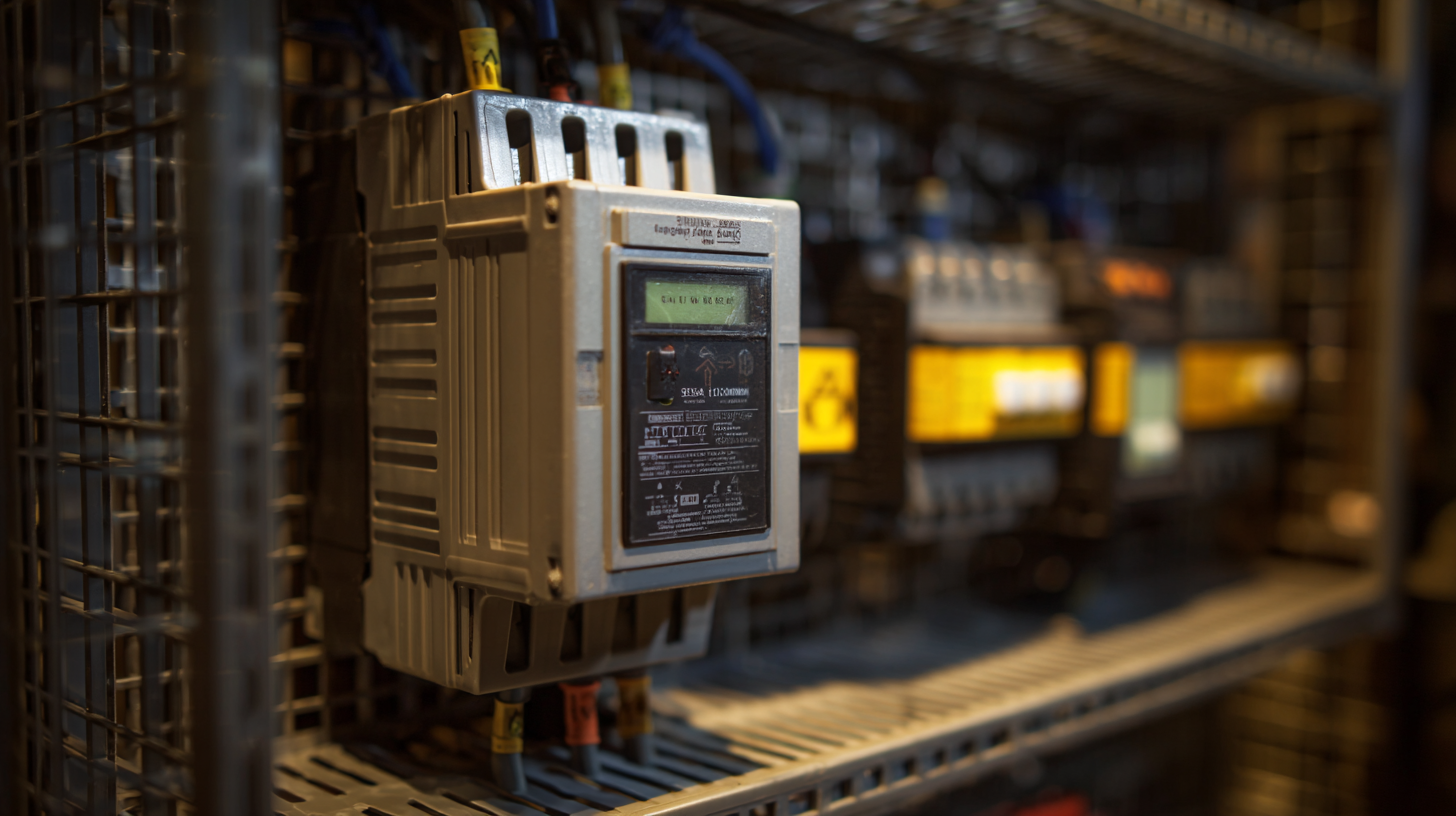
You know, the rise of voltage sensors in smart grid tech is really a game-changer for the energy world. I was reading that, according to the International Energy Agency (IEA), by 2025, about 70% of the world’s grids are expected to be smart. Pretty impressive, right? These sensors are at the heart of this whole upgrade—they help us keep a close eye on electrical systems by giving real-time data on voltage levels. That means utilities can spot problems early on and keep the grid running smoothly.
A study from MarketsandMarkets even predicts the market for these sensors will grow from around $1.2 billion in 2020 to about $1.9 billion in 2025—that’s a clear sign of just how important they’re becoming in modern energy setups.

Now, if you’re choosing voltage sensors for smart grids, I’d suggest paying attention to their communication features. Sensors with better communication protocols tend to fit in more easily with existing setups and play nicely with other tech. Plus, it’s super important to pick ones that meet industry standards for accuracy and reliability—that stuff really makes a difference when it comes to making the whole grid more efficient.
And the cool part? These sensors aren’t just for monitoring—they let us do predictive maintenance, which means fewer breakdowns and lower costs for utility companies. Being able to see voltage swings in real-time helps predict issues before they turn into big problems.
In fact, the Electric Power Research Institute says that by adopting smart grid solutions, energy losses can be cut by up to 25%. That just shows how crucial these sophisticated voltage monitoring tools are in today’s energy scene.
: Voltage monitoring solutions are increasingly critical as industries move towards renewable energy and electric vehicles, helping optimize efficiency and operational reliability.
The global voltage sensor market is anticipated to reach USD 2.2 billion by 2025, with a CAGR of 7.5%.
They specialize in current and voltage sensors that enhance energy management by ensuring that systems operate within optimal voltage ranges, preventing inefficiencies and potential damage.
Voltage sensors monitor real-time voltage levels in renewable energy systems, allowing for adjustments in energy outputs to maintain grid stability and reliability while preventing system overload.
In solar systems, they facilitate maximum power point tracking, and in wind applications, they provide feedback for managing turbine operations under varying conditions.
The integration of artificial intelligence (AI) with voltage sensing technologies is set to enhance monitoring and management of electrical systems by analyzing data and identifying patterns.
AI algorithms can analyze large data sets from voltage sensors to detect patterns and anomalies that may be overlooked by human operators, enhancing accuracy and facilitating predictive maintenance.
These intelligent systems can adapt voltage levels in real-time based on usage patterns, minimizing energy waste and lowering operational costs.
The integration of AI with voltage sensors can significantly contribute to creating a more resilient and efficient energy infrastructure and promote sustainable practices.
Machine learning models can continuously refine their algorithms, tailoring voltage regulation to specific environments and consumer needs for better performance.
Voltage sensors have really become a vital part of modern tech these days, especially in smart grid systems and renewable energy setups. As more and more demand is placed on efficient energy management, having solid voltage monitoring tools is pretty much essential—they help boost operational performance and can actually make your devices last longer. When these sensors accurately measure electrical parameters, they play a huge role in keeping everything running smoothly and extending device lifespans.
And honestly, the whole idea of combining artificial intelligence with voltage sensing is super exciting. It feels like we’re just scratching the surface of what’s possible in energy management. Companies like Beijing TransFar Electronics Group Co., Ltd., who focus on new energy current and voltage sensors, are really leading the charge here. By investing in these innovative sensor solutions, they’re not just pushing forward smart energy systems but also helping to create a more sustainable and efficient way to consume energy worldwide.